Category: Blog

Your blog category

  • Itch.io Purges NSFW Games Under Payment Processor Pressure

    Itch.io Purges NSFW Games Under Payment Processor Pressure

    Indie video game marketplace Itch.io deindexed all adult and not-safe-for-work (NSFW) games from its search and browse pages this week, bowing to financial pressure from payment processors following a targeted campaign against explicit content on digital storefronts.

    Activist Pressure Targets Payment Infrastructure

    The platform’s decision stems from a campaign led by Collective Shout—an advocacy group that has previously criticized video games, rap music, and lingerie commercials. The organization launched an attack against both Itch.io and Steam for hosting “No Mercy,” a controversial title that depicts rape and incest.

    In an open letter addressed directly to executive leadership at PayPal, Mastercard, Visa, and other financial institutions, Collective Shout argued that titles “endorsing men’s sexualised abuse and torture of women and girls fly in the face of efforts to address violence against women.”

    “We do not see how facilitating payment transactions and deriving financial benefit from these violent and unethical games, is consistent with your corporate values and mission statements,” the advocacy group stated in its letter.

    Marketplaces Yield to Banking Requirements

    The activist pressure yielded rapid results across the gaming industry. Steam responded earlier this month by confirming it would ban games that “may violate the rules and standards set forth by Steam’s payment processors and related card networks and banks, or internet network providers.”

    Facing similar risks to its core business, Itch.io defended its stance, explaining: “To ensure that we can continue to operate and provide a marketplace for all developers, we must prioritize our relationship with our payment partners and take immediate steps towards compliance.”

    Addressing the initial catalyst, the storefront clarified that “No Mercy” was only “temporarily available on itch.io before being banned back in April.” However, company representatives noted that “the situation developed rapidly,” forcing management to “act urgently to protect the platform’s core payment infrastructure” without giving creators advance notice.

    Platform Audits and Developer Risk

    Moving forward, Itch.io is conducting a “comprehensive audit” to guarantee that all titles hosted on the platform satisfy “the requirements of our payment processors.” NSFW titles will remain hidden from discovery features until this review concludes. Once finished, adult game creators must explicitly confirm that their content adheres to the policies of the specific payment processors tied to their accounts.

    Devs Raise Concerns Over Harsh Penalty Policies

    The abrupt enforcement sparked heavy criticism from content creators on social media. Many pointed to Itch.io‘s current terms, which dictate that adult content violations carry a “permanent with no chance of appeal” penalty, alongside the complete forfeiture of account funds.

    Highlighting the severe terms, one game developer put it bluntly: “If you violate the rules, we take all your money. Not just the money from that work, ALL your money from EVERYTHING you’ve ever made.”

    A Growing Trend of Payment Gatekeeper Censorship

    This policy shift reflects a wider trend of financial entities dictating content boundaries for digital platforms. Gumroad previously cited banking partner restrictions when tightening rules on NSFW artwork, while OnlyFans famously attributed an explicit content ban—which it subsequently reversed—to pressure from banking networks.

    In response to the growing corporate overreach, a Change.org petition has garnered over 137,000 verified signatures against Visa and Mastercard. The petition demands that major payment networks “stop censoring legal fictional content that complies with the law and platform standards” and “reject influence from activist groups that promote moral panic or misrepresent fiction as harm.”


  • Spotify Enters Gaming with ‘Happy Gilmore 2’ Mini Golf

    Spotify Enters Gaming with ‘Happy Gilmore 2’ Mini Golf

    On Friday, July 25, Spotify partnered with Netflix to launch an exclusive in-app mini-golf game promoting the release of Happy Gilmore 2, marking the audio platform’s first-ever collaborative gaming venture.

    A First-of-Its-Kind Brand Collaboration

    This brand partnership represents a brand-new promotional territory for Spotify, as the platform has never previously joined forces with an outside company to build an interactive gaming experience inside its application.

    Gaming has remained a largely unexplored vertical for the audio giant. Partnering with Netflix offers a strategic testing ground to measure how users respond to interactive features while leveraging the immense nostalgic reach of Adam Sandler’s 1996 cult comedy sequel to boost overall app engagement. Spotify confirmed it developed the project alongside digital production agency MiK Studio.

    Image Credits:Spotify

    Gameplay Mechanics and In-App Access

    The mobile-exclusive title, named the Happy Gilmore 2 Tournament, lives directly inside the Spotify app. Players control their golf swing mechanics using simple tap controls to aim, stroke, and complete a three-hole course.

    Integrated Audio, Custom Playlists, and Easter Eggs

    The experience blends interactive gameplay with custom audio features. Finishing rounds plays signature movie sound clips and unlocks an automatically generated playlist of upbeat “happy” songs curated specifically for the individual listener.

    The mini-game also embeds classic film references as Easter eggs, such as Happy’s work boots, his custom hockey stick putter, and the iconic alligator. Upon completing the course, players can watch the official Happy Gilmore 2 trailer and share both their customized playlist and final golf scores on social media.

    Spotify’s History with In-App Mini-Games

    While this marks Spotify’s first commercial gaming partnership with a third party, it is not the platform’s initial venture into playable media. Spotify previously launched an internal hidden Easter egg in 2023 titled “Eat This Playlist,” which adapted the classic arcade game Snake by letting users control a snake eating album art from their saved music queues.

  • Apple News+ Unveils New AI-Driven Emoji Puzzle Game

    Apple News+ Unveils New AI-Driven Emoji Puzzle Game

    Apple launched a new daily title called the Emoji Game on Thursday for Apple News+ subscribers in the U.S. and Canada, expanding its subscription service with an AI-integrated puzzle designed to boost user retention. The fresh offering joins the tech giant’s existing lineup of daily brainteasers, which includes Crossword, Crossword Mini, Sudoku, and Quartiles.

    Bundling daily interactive puzzles with news subscriptions has become an industry-wide strategy to drive daily active usage, a tactic successfully deployed by outlets like The New York Times and platforms such as LinkedIn. While Apple does not disclose exact subscriber figures for its gaming features, the company noted that a significant segment of users subscribes to Apple News+ primarily for its puzzle suite.

    Image Credits:Apple

    How the Emoji Game Gameplay Works

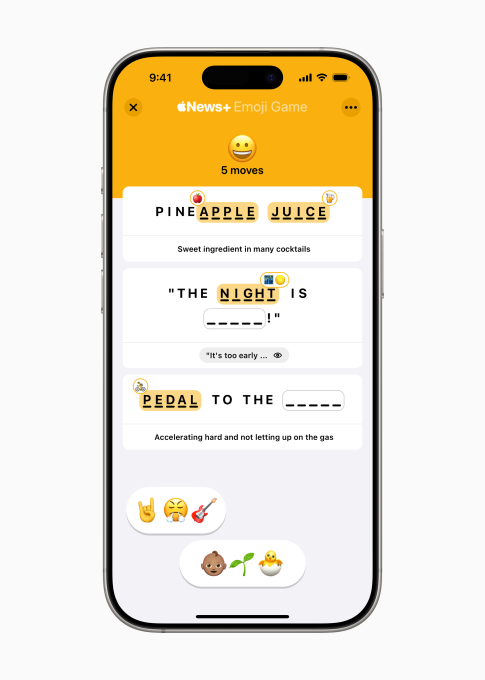
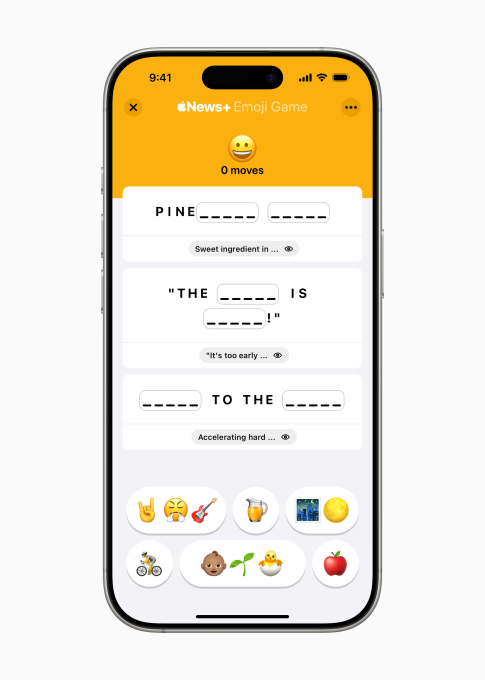
    Timed to launch alongside World Emoji Day, the Emoji Game blends logic and word construction inspired by everyday digital communication. Players encounter daily word puzzles where the objective is to decipher phrases using visual icons while minimizing total moves.

    Gameplay relies on substituting emojis for letters or word fragments. For example, solving the word “appear” might display the letters “ap” alongside four blank spaces, requiring players to drag a pear emoji into place. Higher-level puzzles introduce multi-emoji combinations, abstract associations, and partial letter fills spaced across complex phrases. If players get stuck, revealing a hint is possible, though doing so deducts one move from their final score.

    Image Credits:Apple

    Genmoji Integration and Social Scoring Features

    Each daily challenge contains several phrases. Completing the entire puzzle set within six moves earns players a perfect score. Integrated leaderboards allow users to monitor win streaks and compare performance against friends and the broader player community. In the upcoming iOS 26 release, Apple will introduce direct multiplayer challenges via its dedicated Games app.

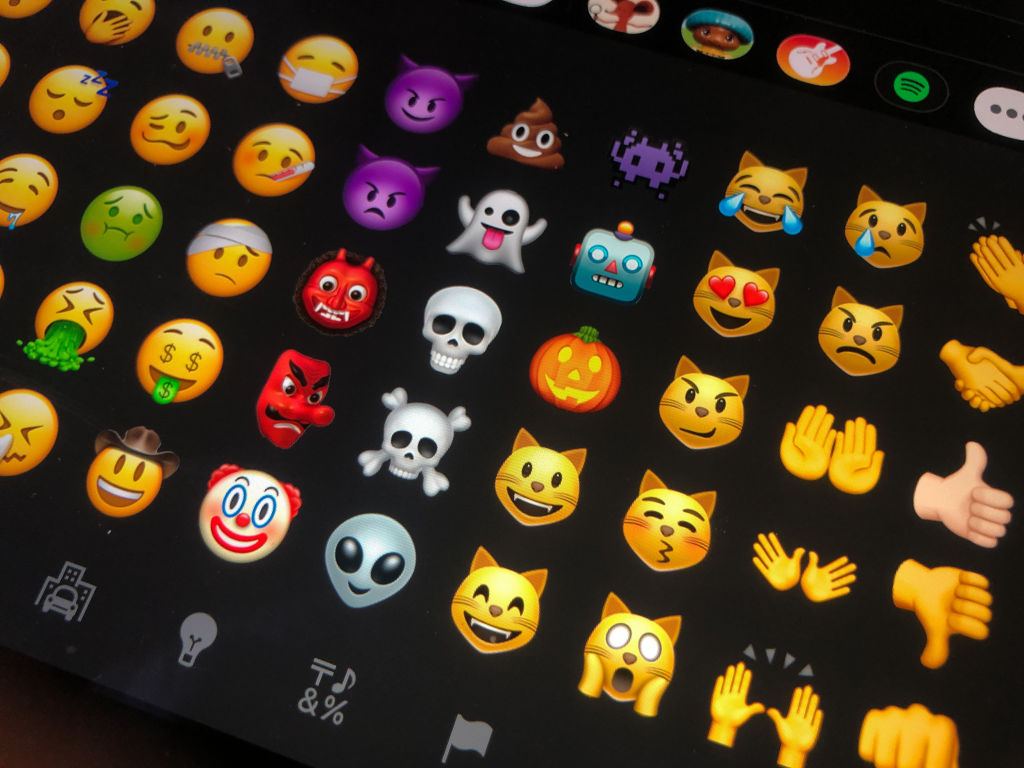
    To distinguish the title within its ecosystem, Apple deeply integrated Genmoji—custom AI-generated graphics created via Apple Intelligence. This expands the visual vocabulary significantly past the standard system keyboard’s roughly 2,000 emojis. A sample puzzle combination might pair a custom Genmoji blender icon with a standard tomato emoji to prompt the answer “purée.”

    Development Partners and Access Requirements

    The game software was constructed internally by Apple, with individual puzzle content co-developed alongside The Puzzle Society (now operating as GoComics). In-house Apple editors supervise final puzzle curation.

    The title is actively rolling out across iPhone, iPad, and Mac platforms for Apple News+ members in the United States and Canada. Devices operating on iOS 18.4 or later receive instant access without requiring an application update, whereas older OS versions will necessitate a manual update.

    The addition adds value to the $12.99 monthly Apple News+ membership, which currently bundles access to over 400 premium publications, audio articles, regional news coverage, live sports tracking, and the recently launched Apple News+ Food recipe hub.

  • Call of Duty Cheaters Cry Out After Massive Activision Bans

    Call of Duty Cheaters Cry Out After Massive Activision Bans

    Activision issued a sweeping wave of permanent account bans across its servers last week, targeting Call of Duty players who utilized third-party exploits to gain an unfair advantage in the popular shooter franchise.

    Frustrated Cheaters React to Irreversible Account Terminations

    Video game streamer ItsHapa wrote on X that players relying on software from ArtificialAiming—a cheat provider operating for over 19 years—were hit by a massive, non-reversible ban wave. The crackdown completely blocks affected individuals from creating replacement accounts, crippling their ability to access the franchise.

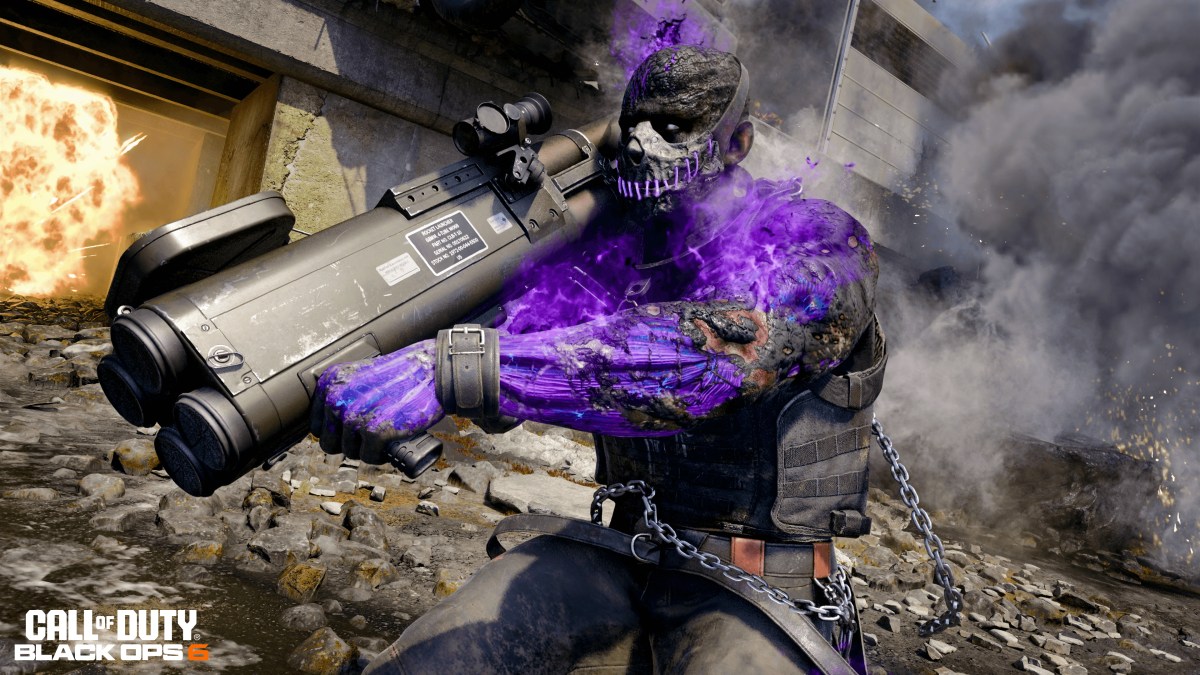
    Screenshots leaked from ArtificialAiming’s private forums revealed widespread dismay among users who relied on hacks for titles like 2024’s Call of Duty: Black Ops 6.

    “It’s been a long run. [Good game] all,” wrote one disgruntled user on the private message board.

    “Lost both my main accounts today, one was almost 4 years old with mastery camos and all… think I am done with [Call of Duty]…. risk we all took,” confessed another player.

    Other users echoed similar sentiments, with one stating, “It’s done for me [I’m] leaving this,” while another simply added, “Same 🙁.”

    Activision Disrupts Cheat Vendors in Broader Enforcement Crackdown

    Activision spokesperson Neil Wood confirmed the enforcement action, noting that the publisher’s efforts extended beyond ArtificialAiming to encompass multiple malicious tools.

    “Our latest enforcement efforts disrupted operations from multiple cheat vendors, disabling their tools and issuing bans to their users. We remain committed to pursuing those who threaten our community — cheaters, cheat makers, and anyone undermining the fair play experience,” Activision said in an official statement.

    While Activision declined to disclose exact figures regarding this specific enforcement action, previous ban waves executed by the publisher have taken down hundreds of thousands of players simultaneously.

    Inside the Multi-Million Dollar Video Game Exploitation Market

    Sources familiar with the cheating ecosystem indicate that ArtificialAiming remains one of the longest-standing providers in the industry, though game developers have progressively detected its software with higher frequency in recent years.

    In a forum post dating back to 2021, an ArtificialAiming staff member reflected on their 14-year history in the market, brazenly claiming that “cheaters won” due to the millions of dollars studios were forced to spend combating malicious software.

    “It seems like there is not a single day where anti-cheaters are out there trying to rustle our jimmies. Well the fact that there still are hundreds of thousands of cheaters out there and a lot of them coming from ArtificialAiming, means that we’re not defeated yet,” the staffer posted at the time.

    The market for video game cheats operates as a highly lucrative black-market enterprise. In 2021, Chinese law enforcement arrested a group of people tied to what authorities called the world’s largest cheating ring targeting PUBG Mobile. The founder of that operation told me at the time that he netted at least $77 million from software sales.

    Other exploit developers have reported million-dollar windfalls, or enough to not have to work for years. However, several developers face severe legal consequences, being forced to pay back millions of dollars in copyright settlements following lawsuits brought by major publishers.

    The Shift Toward Deep Kernel-Level Anti-Cheat Protections

    To combat increasingly sophisticated exploits, major gaming studios have fundamentally upgraded their security infrastructure over the past several years. Companies have moved toward kernel-level anti-cheat engines, granting security tools deep visibility into machine processes to catch unauthorized applications operating in the background.

    Activision launched its proprietary kernel-level system, Ricochet, in 2021. The move aligned Activision with industry peers like Riot Games, which introduced its own kernel-level system, Vanguard, in 2020.

  • Apple Unveils All-New Dedicated Games App at WWDC

    Apple Unveils All-New Dedicated Games App at WWDC

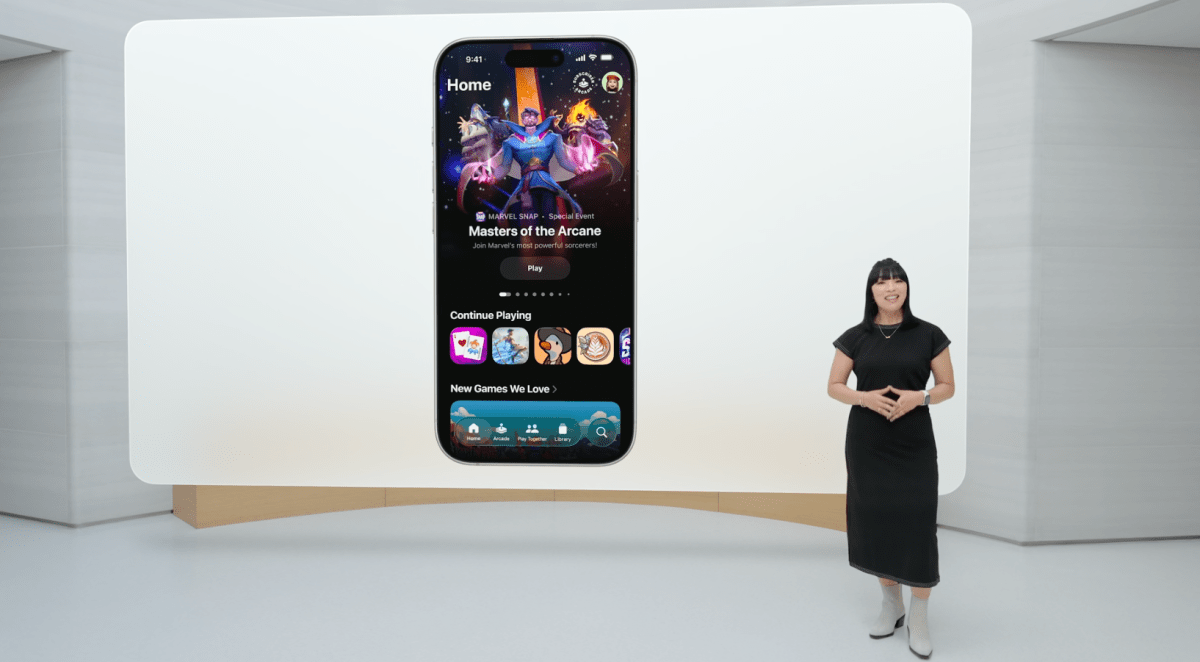
    On Monday at WWDC 2025, Apple officially unveiled a new dedicated Games app designed to centralize the gaming experience across its entire hardware ecosystem into a single launcher and hub.

    A Central Hub for Apple Gaming

    The new application functions primarily as a unified launcher for games while enabling users to seamlessly track their achievements and view global leaderboards in one place. To ensure intuitive navigation, Apple structured the Games app around five distinct tabs: Home, Arcade, Play Together, Library, and Search.

    Social Features and Competitive “Challenges”

    Social interaction plays a major role in the new interface. Through the dedicated “Play Together” tab, players can monitor what their friends are currently playing, compare high scores, and send direct game invitations. Additionally, Apple introduced “Challenges,” a new system designed for score-based showdowns among friends.

    Empowering Developers Through Game Center

    For game developers, the new Challenges feature integrates directly on top of existing Game Center leaderboards. This underlying infrastructure allows creators to easily turn traditional single-player titles into active, competitive social experiences.

    Ecosystem Integration and Device Rollout

    Beyond organizing local game libraries, the app connects directly to the game section of the App Store and heavily integrates Apple Arcade, highlighting the company’s $6.99-per-month gaming subscription service.

    Previous reports indicate that Apple plans to release the Games app preinstalled on iPhone, iPad, Mac, and Apple TV set-top boxes later this year.

  • Unity CTO Steve Collins Resigns After Only 6 Months

    Unity CTO Steve Collins Resigns After Only 6 Months

    Game engine developer Unity has confirmed that Chief Technology Officer Steve Collins is stepping down after just six months in the position, resigning voluntarily for personal reasons.

    Unexpected Exit After Six Months

    Collins officially joined Unity half a year ago following a high-profile tenure as CTO of King, the mobile gaming company behind Candy Crush. According to official company statements, his decision to step down was entirely his own choice.

    “We can confirm that Steve Collins has decided to leave Unity for personal reasons,” a Unity representative stated. “We’re grateful for his contributions. As we continue our transformation, we’re confident our world-class tech team will keep driving the strategy forward.”

    Ongoing Instability in Unity’s Executive Ranks

    This leadership change comes on the heels of a prolonged period of internal turbulence. In autumn 2023, the engine creator introduced controversial changes to its pricing structure, provoking severe backlash across the global developer community. While Unity eventually walked back elements of the policy, the initial fallout led former CEO John Riccitiello to resign.

    Lingering Fallout and Industry Skepticism

    Following that leadership crisis, Unity laid off 25% of its workforce—eliminating approximately 1,800 jobs as part of a corporate overhaul. Although time has passed since those events, significant distrust lingers within the game development ecosystem. While Collins’ departure is framed as an isolated personal decision, a recurring shakeup in top management threatens to cause further disruption during a critical transition period.

  • Microsoft Workers Win Historic First US Union Deal

    Microsoft Workers Win Historic First US Union Deal

    On Friday, unionized quality assurance testers at video game publisher ZeniMax reached a landmark tentative labor agreement with parent corporation Microsoft, securing the tech giant’s first-ever union contract in the United States following two years of direct negotiations.

    Contract Terms: 13.5% Salary Hikes and AI Safeguards

    The historic deal covers approximately 300 QA workers who organized under the Communications Workers of America (CWA) shortly after Microsoft acquired ZeniMax in 2021. As announced by the union, the tentative agreement ends a bargaining process that began over two years ago.

    Financial and workplace details published by Bloomberg outline an across-the-board wage increase of 13.5% set for July 1. Additionally, the contract codifies a previously negotiated accord regarding the implementation of AI in production workflows. Participating union members are scheduled to vote on final ratification on June 20.

    Industry Impact and Expanding Labor Representation

    Highlighting the broader significance of the deal, QA tester and bargaining committee member Page Branson characterized the agreement as “a monumental victory for all current video game workers and for those that come after.”

    While the ZeniMax QA team pioneered collective bargaining at Microsoft, the initiative quickly gained momentum across other divisions. The CWA currently represents more than 2,000 video game staff members across Microsoft’s various studios.

  • GameStop Buys $500 Million in Bitcoin to Save Balance Sheet

    Video game retailer GameStop purchased 4,710 bitcoin worth over $500 million on Wednesday to bolster its corporate treasury amid ongoing annual revenue declines.

    A Pivot to Crypto Amid Retail Gaming Decline

    The brick-and-mortar retailer continues to struggle with relevance as digital downloads increasingly dominate consumer gaming habits. GameStop gained massive mainstream recognition in 2021 when it unexpectedly became the epicenter of a historic short squeeze driven by Reddit’s r/WallStreetBets community.

    While GameStop’s stock price remains elevated compared to its pre-2021 levels, the frenzy of its viral moment has settled into a harsher reality. The company continues to report persistent drops in annual net sales, forcing leadership to seek unconventional treasury strategies.

    Executing on the New Treasury Reserve Policy

    To shore up its financial footing, GameStop announced an updated investment policy to investors in March, formally adopting bitcoin as an official reserve asset. This week’s $500 million transaction delivers on that strategic shift.

    Market reaction to GameStop’s crypto playbook has proven volatile. Shares stumbled after each cryptocurrency announcement, reflecting investor anxiety regarding the historical price swings inherent to digital assets.

    Washington’s Shift on Digital Assets Fuels Corporate Adoption

    GameStop’s balance sheet expansion into digital currencies reflects broader political tailwinds in Washington. Under the former Biden administration, federal regulators cracked down heavily on the crypto sector over concerns tied to fraud and financial misconduct.

    That stance changed under the Trump administration, which established a national Strategic Bitcoin Reserve. Additionally, Trump’s media company outlined plans to raise $2.5 billion specifically for bitcoin acquisitions.

    Demonstrating this new dynamic, Trump even hosted key holders of his official memecoin—a speculative digital asset whose market value relies on online community hype rather than fundamentals—for a private dinner at the White House.

    Democratic Lawmakers Push Back Against Crypto Conflicts

    The growing integration between political power and digital currency has drawn sharp criticism. Opponents argue that executive involvement creates unprecedented risks for market manipulation and personal enrichment.

    In response, Democratic Senators Chuck Schumer (D-NY) and Jeff Merkley (D-OR), supported by 17 co-sponsors, introduced the “End Crypto Corruption Act.”

    “Currently, people who wish to cultivate influence with the president can enrich him personally by buying cryptocurrency he owns or controls,” Senator Merkley stated in a press release. “This is a profoundly corrupt scheme. It endangers our national security and erodes public trust in government.”

    Without broad Republican backing, however, legislative efforts to limit executive crypto holdings face steep hurdles in Congress.

    Joining Corporate Titans in the Crypto Reserve Trend

    With regulatory pressures easing, bitcoin experienced a sharp rally, surpassing $110,000 in May after trading around $75,000 in April.

    By committing $500 million to cryptocurrency, GameStop follows a corporate trend established by major firms such as Tesla, Coinbase, and Block, each of which holds more than $1 billion in bitcoin reserves on their balance sheets.

  • Microsoft Copilot AI Hits Xbox App on iOS and Android

    Microsoft Copilot AI Hits Xbox App on iOS and Android

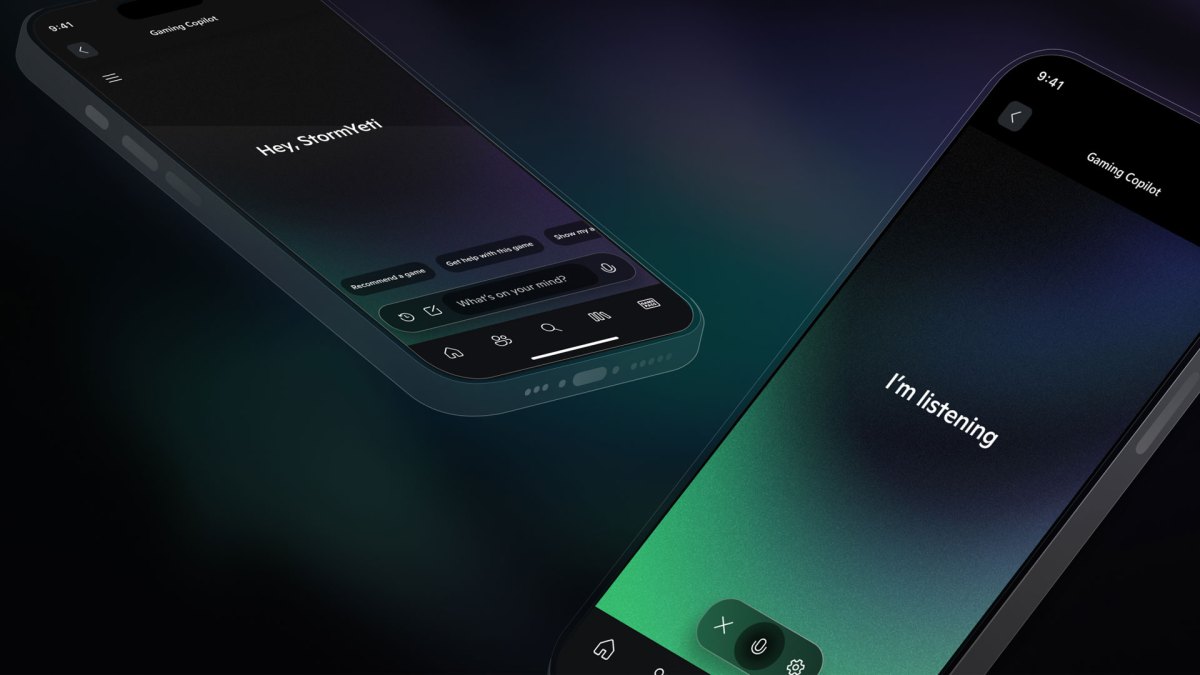
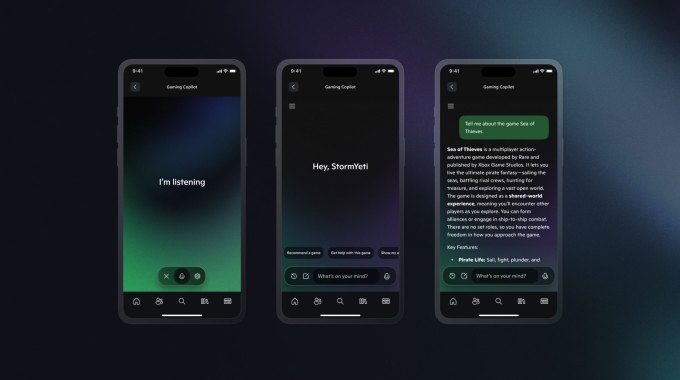
    On Wednesday, Microsoft officially launched the public beta phase for its new Copilot for Gaming feature inside the Xbox app on iOS and Android devices, providing players with an AI companion to pull account metrics, offer game tips, and search titles on a mobile second screen without disrupting active gameplay.

    AI Assistance on Your Second Screen

    The early-access assistant functions as an external utility during gaming sessions. By running on a mobile device, the companion delivers direct links, answers game-related inquiries, and parses user data ranging from unlocked achievements to individual play history.

    The tool accepts natural language prompts covering both personalized metrics and general recommendations. Players can inquire with questions like: “What’s my gamer score and can you give me some tips to raise it?” or “I love horror movies. Any suggestions for what game I should play?” For account-specific information, queries such as “What was the last achievement I got in Starfield?” or “When does my Game Pass subscription renew?” yield direct responses.

    “In this early version of the feature for mobile, you’ll be able to access Copilot for Gaming on a second screen, without distracting you from your core gameplay experience,” explained Taylor O’Malley, principal program manager at Xbox, in an official blog post.

    Image Credits:Microsoft

    Data Integration and Future Development

    When answering questions, Copilot processes individual Xbox user history alongside public search data indexed by Bing. Microsoft indicated that future updates will introduce deeper personalization features, such as proactive real-time coaching while playing.

    Eligibility and Geographic Availability

    The current beta version operates exclusively in English for verified users aged 18 and older. Access is active across the following regions: Albania, Algeria, Argentina, Australia, Bahrain, Bolivia, Bosnia and Herzegovina, Brazil, Canada, Chile, Colombia, Costa Rica, Ecuador, Egypt, El Salvador, Georgia, Guatemala, Honduras, Hong Kong (SAR), India, Indonesia, Israel, Japan, Kuwait, Libya, Macedonia, Malaysia, Mexico, Moldova, Montenegro, Morocco, New Zealand, Nicaragua, Oman, Panama, Paraguay, Peru, Philippines, Qatar, Russia, Saudi Arabia, Serbia, Singapore, South Africa, Taiwan, Thailand, Tunisia, Turkiye, UAE, Ukraine, Uruguay, USA, and Vietnam.

    Microsoft plans to expand preview availability to additional countries and languages in future phases.

  • Apple Bets Big on Mobile Gaming Ahead of iOS 19 Launch

    Apple Bets Big on Mobile Gaming Ahead of iOS 19 Launch

    Apple is doubling down on mobile gaming ahead of its upcoming Worldwide Developers Conference (WWDC), acquiring game developer RAC7 and building a standalone gaming app for iOS 19 to capture growing market demand.

    Apple Secures First Game Studio Purchase

    While Apple already offers a subscription-based platform via Apple Arcade—giving users access to popular indie titles like Stardew Valley—the tech giant is now stepping into direct studio ownership. According to a report by Digital Trends, Apple has acquired RAC7, the developer behind the breakout Apple Arcade hit Sneaky Sasquatch. The move marks Apple’s first official game studio acquisition.

    Following a Broader Tech Industry Shift

    Apple’s expansion aligns with moves from other major tech and media companies seeking to capitalize on mobile gaming. Netflix, for example, launched Netflix Games in 2021 and subsequently bought several game studios to offer cloud-based mobile titles directly to its streaming subscribers.

    Dedicated Gaming Hub Planned for iOS 19

    Beyond studio acquisition, Apple is preparing a major software redesign for mobile gamers. Reporting originally broken by 9to5Mac and later confirmed by Bloomberg indicates that Apple is developing a dedicated gaming application scheduled to debut with iOS 19.

    Designed to replace the legacy Game Center app, the new hub will integrate directly with Apple Arcade. Planned features include:

    • Centralized gaming leaderboards and player recommendations
    • Custom challenges and social features
    • Direct integration with iMessage and FaceTime to facilitate remote multiplayer gameplay

    Capitalizing on the Cloud Gaming Boom

    Apple’s aggressive pivot comes as cloud gaming continues its steady expansion. By allowing players to stream titles without downloading massive files to their devices, cloud platforms have transformed mobile distribution. Industry competitors like Microsoft have taken an early lead in this sector through Xbox Cloud Gaming, pushing Apple to fortify its own ecosystem for mobile players.