
Meta announced Thursday that it is pivoting its flagship virtual environment, Horizon Worlds, to an “almost exclusively mobile” focus, explicitly severing its direct ties to the Quest VR headset ecosystem in a bid to rescue its struggling virtual reality strategy.
Abandoning VR Exclusivity to Target Mass Audiences
Originally launched in 2021 as a VR-first experience before expanding to web and mobile browsers, Horizon Worlds is now undergoing a radical overhaul. Meta confirmed via a blog post update that to tap into a significantly broader user base, the platform must go all-in on mobile devices. By prioritizing smartphones, Meta aims to position Horizon Worlds as a direct competitor to massive multiplayer social hubs like Roblox and Fortnite.
“We’re in a strong position to deliver synchronous social games at scale, thanks to our unique ability to connect those games with billions of people on the world’s biggest social networks,” said Samantha Ryan, Vice President of Content at Reality Labs. “You saw this strategy start to unfold in 2025, and now, it’s our main focus.”
Mounting Financial Losses and Reality Labs Downsizing
The strategic pivot comes amid staggering financial challenges for Meta’s hardware and virtual reality division. Reality Labs has accumulated nearly $80 billion in operating losses since 2020, forcing the company to scale back its original metaverse vision.
Studio Closures and Workforce Reductions
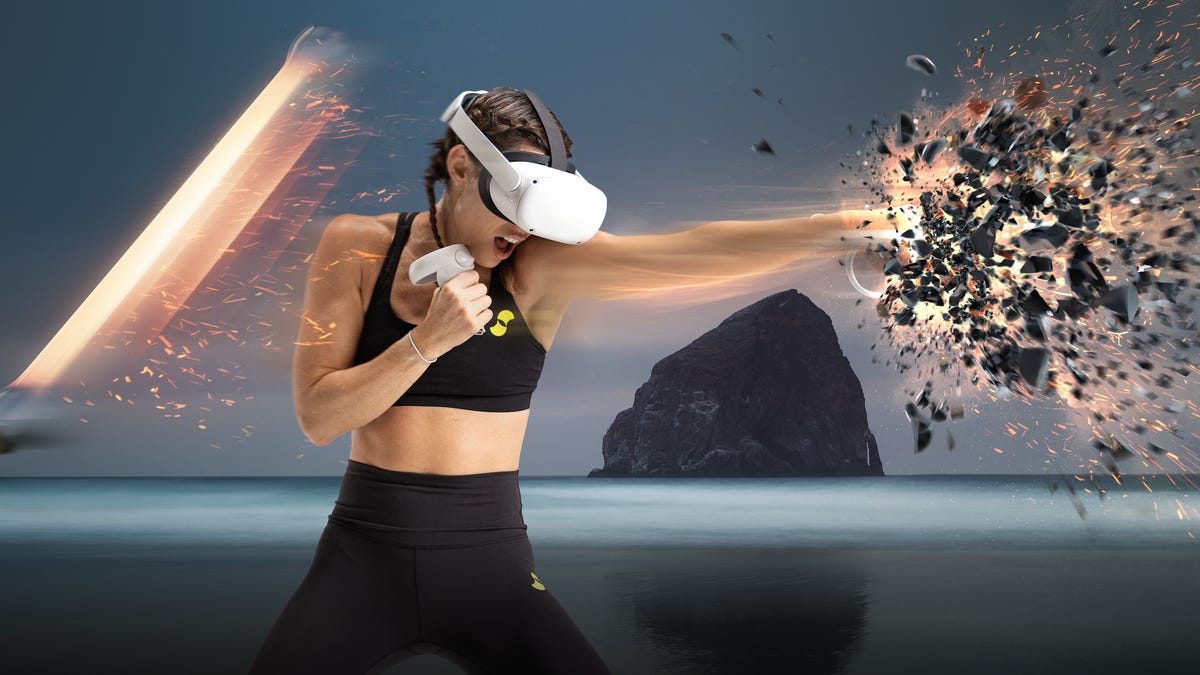
To curb expenses, Meta recently eliminated approximately 1,500 jobs within Reality Labs—representing roughly 10% of the division’s total workforce. The restructuring also led to the closure of several internal VR game development studios. Furthermore, Supernatural—the popular VR fitness service Meta acquired in 2023—has officially halted new content production and transitioned into maintenance mode.
Reallocating Capital: The Pivot to AI Wearables
While Meta is decoupling Horizon Worlds from its headsets, the company maintains that VR hardware remains part of its long-term roadmap. Ryan noted that Meta continues to develop future VR headsets tailored to specific audience segments as the hardware market matures.
However, capital allocation has fundamentally shifted from pure virtual reality to artificial intelligence and smart wearables. During Meta’s latest earnings call, CEO Mark Zuckerberg highlighted the accelerating momentum behind AI-powered hardware over traditional VR gear.
“It’s hard to imagine a world in several years where most glasses that people wear aren’t AI glasses,” Zuckerberg stated, adding that sales of Meta’s smart glasses tripled over the past year, marking them as “some of the fastest-growing consumer electronics in history.”








Leave a Reply