
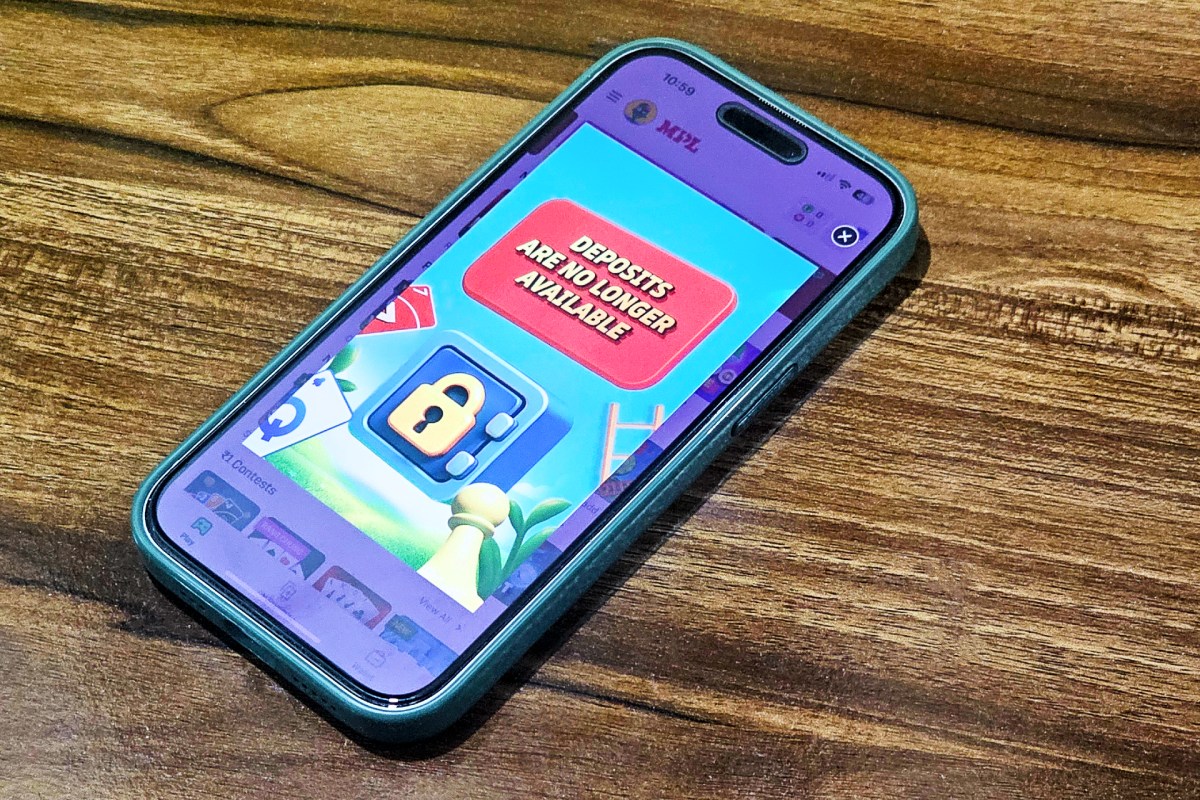
Major Indian gaming unicorns, including Dream Sports and Mobile Premier League (MPL), began shutting down their core real-money gaming operations across India this week after Parliament passed the Promotion and Regulation of Online Gaming Bill, 2025, effectively banning cash-based digital gaming nationwide.
Parliament Greenlights Ban on Real-Money Gaming
The upper house of the Indian Parliament approved the legislative proposal on Thursday, just one day after it cleared the lower house. The bill now awaits presidential assent—a procedural formality expected shortly—to officially become law. While the legislation strictly prohibits real-money gaming (RMG), it explicitly aims to encourage casual online titles and esports across the country.
Immediately following the parliamentary votes, top Indian startups—including Dream Sports, MPL, Gameskraft, Probo, and Zupee—started dismantling their real-money gaming infrastructure. Several firms informed employees of the operational shift on Wednesday, while others notified players directly via in-app alerts.
Market Leaders Halt Cash Operations
Dream Sports Reevaluates Strategy
Dream Sports, whose high-profile backers include Tiger Global, Multiples, Alpha Wave Global, and TCV, has shut down its recently launched quick-play fantasy application, Dream Picks. Although flagship platforms like Dream11 and Dream Play remained active immediately after the vote, sources confirm that the Mumbai-based unicorn intends to completely sunset its real-money gaming portfolio once the law takes effect.
During an internal town hall on Wednesday, leadership informed staff about the regulatory impact, as Indian tech publication Entrackr reported. Prior to the legislative ban, Dream Sports was actively negotiating strategic partnerships for its domestic cash gaming operations and preparing an international expansion. A representative for Dream Sports declined to comment on the developments.
MPL, Zupee, and Probo Freeze Deposits
Similarly, MPL—backed by Peak XV, Times Internet, MSA Novo, and Crown Capital—has suspended all real-money titles and blocked new cash deposits. The company notified users that remaining deposit balances (minus GST) will be available for withdrawal starting August 22, 2025.

Zupee—backed by WestCap Group, Tomales Bay Capital, Nepean Capital, AJ Capital, and Z47 (formerly Matrix Partners India)—also terminated its paid gaming services immediately. However, the company confirmed that free-to-play titles, including Ludo Supreme, Ludo Turbo, Snakes & Ladders, and Trump Card Mania, will remain free and accessible to users.
Gurugram-based Probo, supported by Peak XV, Elevation Capital, and The Fundamentum Partnership, halted its operations following the parliamentary vote, stating that it respects the government’s legislative decision while discontinuing its RMG products until further notice.
Bootstrapped operator Gameskraft stopped accepting money across its rummy applications, while Times Internet-backed fantasy cricket app Cricbuzz11 discontinued services, informing users that net deposits will be refunded to bank accounts within 30 days.
Industry Fallout and Workforce Impact
The sudden legislative action has triggered widespread disruption for startup workers, with hundreds posting on social media platforms in search of new employment. Employees express concern that companies will execute workforce reductions in the coming days to streamline costs and reassure investors.
Industry observers note that while affected gaming companies could legally challenge the statute in the Supreme Court of India once enacted, most operators are refraining from litigation due to the low probability of overturning the law.
The $23 Billion Economic Hit
India’s real-money gaming sector held an enterprise valuation of ₹2 trillion (approximately $23 billion), generating annual revenues of ₹310 billion ($3.6 billion) and contributing ₹200 billion ($2.29 billion) in yearly direct and indirect taxes. Industry associations had previously projected a 28% compound annual growth rate that would have doubled the sector’s valuation by 2028.
This Bill, passed by both Houses of Parliament, highlights our commitment towards making India a hub for gaming, innovation and creativity. It will encourage e-sports and online social games. At the same time, it will save our society from the harmful effects of online money… https://t.co/t1iUuH9JP1
— Narendra Modi (@narendramodi) August 21, 2025






Leave a Reply