
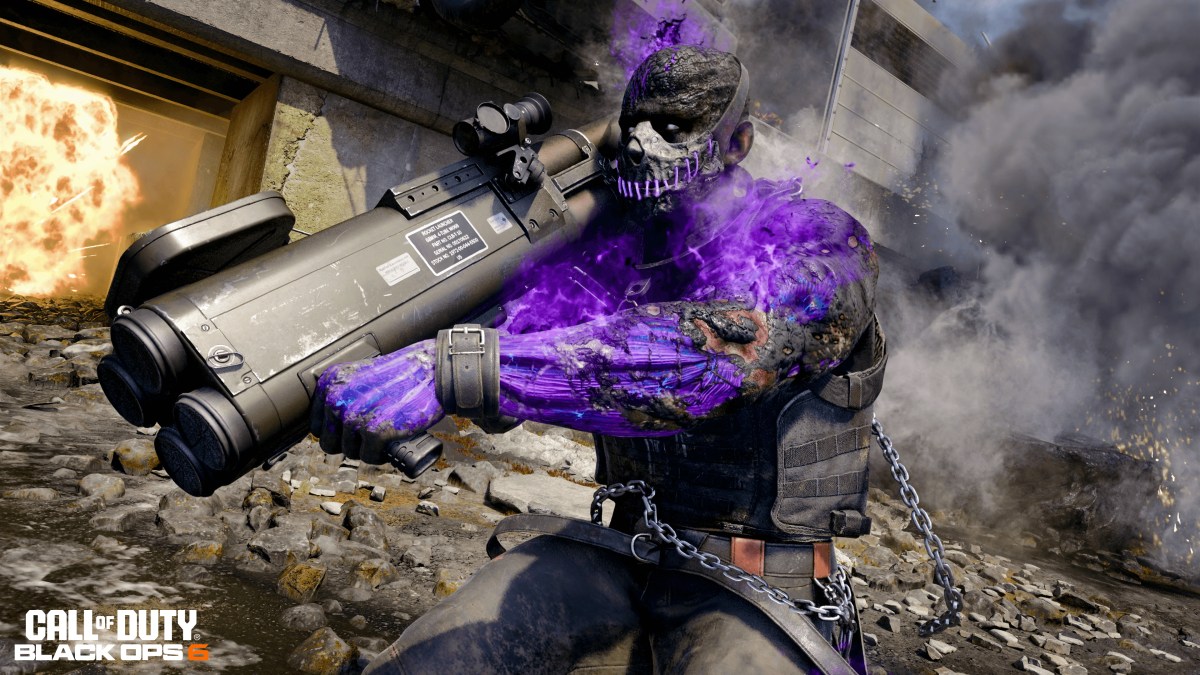
Activision issued a sweeping wave of permanent account bans across its servers last week, targeting Call of Duty players who utilized third-party exploits to gain an unfair advantage in the popular shooter franchise.
Frustrated Cheaters React to Irreversible Account Terminations
Video game streamer ItsHapa wrote on X that players relying on software from ArtificialAiming—a cheat provider operating for over 19 years—were hit by a massive, non-reversible ban wave. The crackdown completely blocks affected individuals from creating replacement accounts, crippling their ability to access the franchise.
Screenshots leaked from ArtificialAiming’s private forums revealed widespread dismay among users who relied on hacks for titles like 2024’s Call of Duty: Black Ops 6.
“It’s been a long run. [Good game] all,” wrote one disgruntled user on the private message board.
“Lost both my main accounts today, one was almost 4 years old with mastery camos and all… think I am done with [Call of Duty]…. risk we all took,” confessed another player.
Other users echoed similar sentiments, with one stating, “It’s done for me [I’m] leaving this,” while another simply added, “Same 🙁.”
Activision Disrupts Cheat Vendors in Broader Enforcement Crackdown
Activision spokesperson Neil Wood confirmed the enforcement action, noting that the publisher’s efforts extended beyond ArtificialAiming to encompass multiple malicious tools.
“Our latest enforcement efforts disrupted operations from multiple cheat vendors, disabling their tools and issuing bans to their users. We remain committed to pursuing those who threaten our community — cheaters, cheat makers, and anyone undermining the fair play experience,” Activision said in an official statement.
While Activision declined to disclose exact figures regarding this specific enforcement action, previous ban waves executed by the publisher have taken down hundreds of thousands of players simultaneously.
Inside the Multi-Million Dollar Video Game Exploitation Market
Sources familiar with the cheating ecosystem indicate that ArtificialAiming remains one of the longest-standing providers in the industry, though game developers have progressively detected its software with higher frequency in recent years.
In a forum post dating back to 2021, an ArtificialAiming staff member reflected on their 14-year history in the market, brazenly claiming that “cheaters won” due to the millions of dollars studios were forced to spend combating malicious software.
“It seems like there is not a single day where anti-cheaters are out there trying to rustle our jimmies. Well the fact that there still are hundreds of thousands of cheaters out there and a lot of them coming from ArtificialAiming, means that we’re not defeated yet,” the staffer posted at the time.
The market for video game cheats operates as a highly lucrative black-market enterprise. In 2021, Chinese law enforcement arrested a group of people tied to what authorities called the world’s largest cheating ring targeting PUBG Mobile. The founder of that operation told me at the time that he netted at least $77 million from software sales.
Other exploit developers have reported million-dollar windfalls, or enough to not have to work for years. However, several developers face severe legal consequences, being forced to pay back millions of dollars in copyright settlements following lawsuits brought by major publishers.
The Shift Toward Deep Kernel-Level Anti-Cheat Protections
To combat increasingly sophisticated exploits, major gaming studios have fundamentally upgraded their security infrastructure over the past several years. Companies have moved toward kernel-level anti-cheat engines, granting security tools deep visibility into machine processes to catch unauthorized applications operating in the background.
Activision launched its proprietary kernel-level system, Ricochet, in 2021. The move aligned Activision with industry peers like Riot Games, which introduced its own kernel-level system, Vanguard, in 2020.










Leave a Reply