
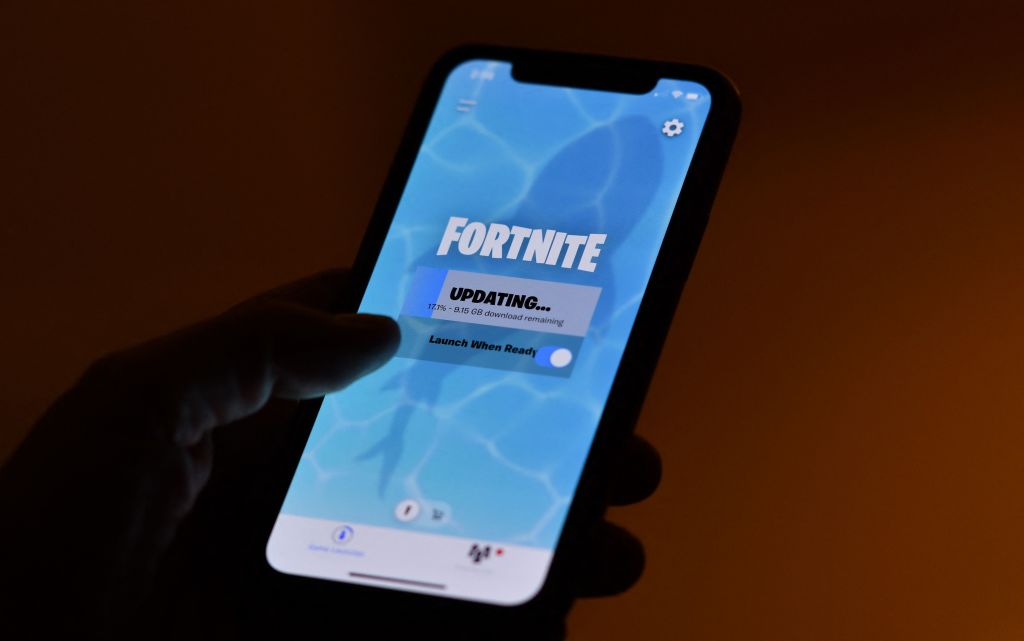
A federal judge demanded Apple immediately approve Fortnite for the U.S. App Store or return to court to justify its refusal, following a motion filed by Epic Games in U.S. District Court.
Judge Gonzalez Rogers Demands Official Accountability
In a sharp new court filing, U.S. District Judge Yvonne Gonzalez Rogers confirmed receipt of Epic Games’ latest enforcement motion. Expressing clear frustration, Gonzalez Rogers ordered Apple to demonstrate the “legal authority upon which Apple contends that it can ignore this Court’s order.”
The judge stressed that Apple remains “fully capable of resolving this issue without further briefing or a hearing.” Crucially, Gonzalez Rogers demanded Apple identify the executive personally responsible for ensuring corporate compliance—a direct signal that the court may consider contempt charges if Apple fails to enforce the injunction.
— Tim Sweeney (@TimSweeneyEpic) May 19, 2025
Apple’s Delay Tactics and the Appeal Defense
The legal escalation follows Epic Games resubmitting Fortnite to the U.S. App Store after winning judicial approval to include external payment links. Rather than approving or rejecting the submission, Apple held the app in review for a week while constructing its legal strategy.
In a letter sent to Epic Games, Apple stated it would withhold action on the submission until the Ninth Circuit Court of Appeals rules on its pending motion for a partial stay. Apple asserted that it is not obligated to publish the app while appeal proceedings remain active, prompting Epic Games to file a motion compelling court enforcement.
This confrontation builds upon earlier court sharp criticism, where Judge Gonzalez Rogers reprimanded Apple for attempting to evade anti-competitive orders and accused the company of lying under oath. The judge previously ruled that Apple acted in “willful violation” of the court’s injunction against anti-competitive practices.
Years of App Store Battles and Market Repercussions
The ongoing dispute stems from a multi-year antitrust clash over Apple’s App Store monetization policies, which historically prohibited developers from linking to external purchase methods. To comply with earlier rulings, Apple permitted external links but enforced a 27% commission on third-party transactions alongside mandatory “scare screens” to deter consumers from off-platform payments.
Broader Impact Across the Mobile Industry
Although Apple prevailed against Epic’s initial claim that it held an illegal monopoly, Epic secured a pivotal victory establishing that iPhone users must be allowed access to third-party payment alternatives for in-app purchases and digital goods.
Following the update to U.S. App Store guidelines, major developers including Spotify, Amazon Kindle, and Patreon rapidly published updated applications featuring external payment links. The outcome of Apple’s showdown with Epic could establish global precedents for developer autonomy and app store regulation.
Epic Games declined to comment on the filing, while Apple did not respond to requests for comment.










Leave a Reply