
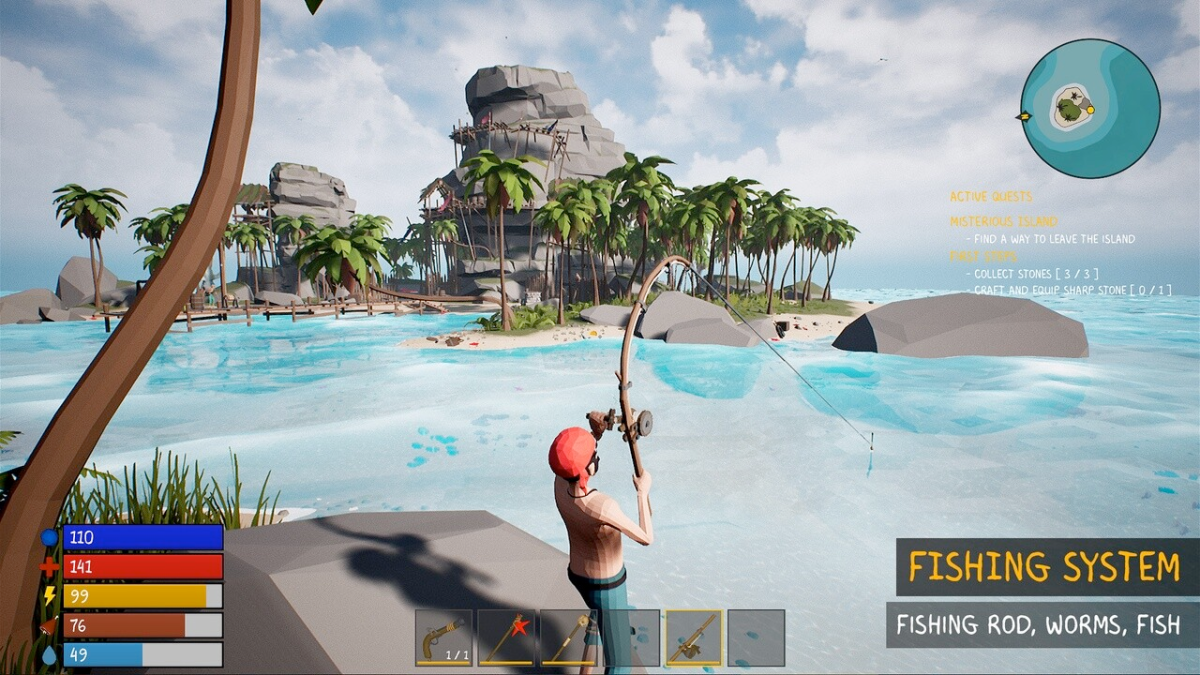
A viral showdown where Google’s Gemini AI model seemingly outperformed Anthropic’s Claude in the original Pokémon video game trilogy on Twitch this April has sparked fierce debate over artificial intelligence benchmarking after revelations that Gemini relied on custom assistance to gain an edge.
The Pokémon Showdown: How Gemini Beat Claude
The controversy erupted after a post on X went viral, highlighting that Google’s latest Gemini model had advanced significantly further than Anthropic’s flagship Claude model in Game Boy classic. During a developer’s livestreams, Gemini reached Lavender Town, whereas Claude remained stuck at Mount Moon as of late February.
“Gemini is literally ahead of Claude atm in pokemon after reaching Lavender Town,” wrote X user Jush on April 10, 2025, pointing out an underrated stream with just 119 viewers.
Gemini plays Pokémon and made it through Rock Tunnel to Lavender Town: pic.twitter.com/8AvSovAI4x — Jush (@Jush21e8) April 10, 2025
The Hidden Advantage Behind Gemini’s Victory
However, social media hype overlooked a critical technical detail: Gemini was not playing under identical constraints.
As users on Reddit quickly pointed out, the developer maintaining the Gemini stream created a custom minimap system. This tool pre-identified in-game “tiles”—such as cuttable trees—directly for the model, significantly reducing Gemini’s need to visually analyze raw screenshots before executing actions.
A Pattern Across the AI Industry
While running 1990s Game Boy ROMs serves as an informal benchmark, the incident highlights a broader, systemic issue across formal AI evaluations: non-standard setups skew performance comparisons.
This practice is increasingly common among major AI labs:
- Anthropic: When releasing Claude 3.7 Sonnet, the company reported two distinct scores on SWE-bench Verified (a coding evaluation). The model achieved a standard score of 62.3%, but jumped to 70.3% when utilizing a specialized “custom scaffold.”
- Meta: Meta fine-tuned a custom variant of its Llama 4 Maverick model specifically to boost performance on the popular LM Arena leaderboard, whereas the base model scored noticeably lower.
As developer-side modifications, custom harnesses, and fine-tuning blur the lines of standard evaluation metrics, comparing frontier AI models on equal footing is becoming increasingly difficult.











Leave a Reply