
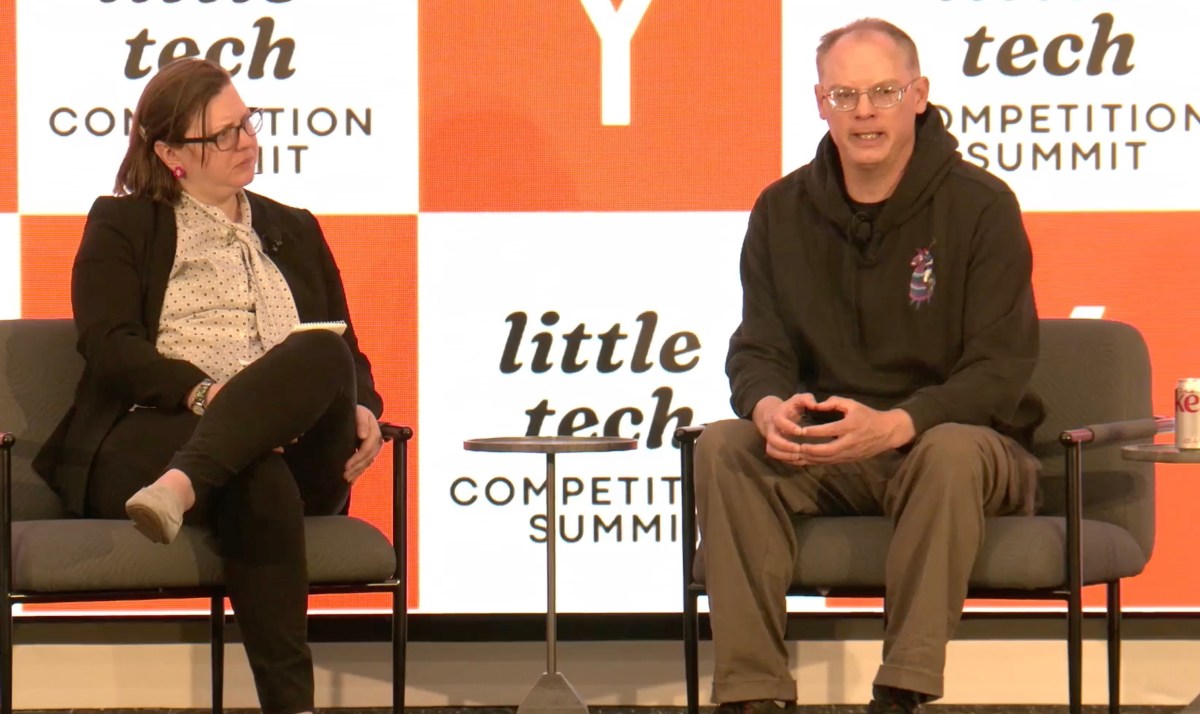
Epic Games CEO Tim Sweeney blasted Apple and Google as “gangster-style businesses” during a Y Combinator event on Wednesday, condemning their illegal practices and anti-competitive tactics that actively harm rival app stores and developers.
Epic Games has been at the center of the antitrust battle against Big Tech monopolies over the past several years, filing high-profile lawsuits against both tech giants over their restrictive app store practices.
Legal Battles and ‘Malicious Compliance’
While Epic won its legal case against Google, its court battle with Apple yielded mixed results. The court required Apple to open its ecosystem to competition by allowing app developers to link to alternative purchasing mechanisms outside the App Store. However, Epic remains locked in legal disputes with Apple over its implementation. Epic alleges Apple violated the court order by allowing external payment processing while imposing a modified commission structure with a minor 3% reduction, rendering alternative payments financially unviable for developers.
Speaking onstage at the event, Sweeney repeatedly called out the tech giants for what he described as “malicious compliance” with court mandates and regulatory decisions.
“The sad truth is that Apple and Google are no longer good-faith, law-abiding companies,” Sweeney said. “They’re run, in many ways, as gangster-style businesses that will do anything they think they can get away with. If they think that the fine is going to be cheaper than the lost revenue from an illegal practice, they always continue the illegal practice and pay the fine.”
How ‘Scare Screens’ Drive Away 60% of Users
The gaming executive detailed how Big Tech tactics directly impair Epic’s business operations and stifle competition. When Android users attempt to install the Epic Games Store on their smartphones, Google displays system warnings claiming the software originates from an “unknown source” and might harm the device.
Sweeney characterized this warning as a “scare screen” designed to frighten consumers away from installing software outside the official Google Play Store. Internal data reveals that this friction causes 50% to 60% of users to abandon the installation process entirely.
A virtually identical drop-off rate occurs on iOS devices in Europe. Although new regulations permit the Epic Games Store on iOS within the European Union, Apple presents alarming warnings to users who attempt to download it, resulting in the same 50% to 60% user abandonment rate.
Sweeney identified these warning screens as textbook examples of illegal self-preferencing. “Crime pays for big tech companies,” he stated, adding that such practices will persist until regulatory enforcement becomes substantially more vigorous.
Exorbitant Fees Discourage Major Developers
Beyond consumer friction, Apple’s financial structures prevent rival marketplaces from attracting major game developers. On iOS, Apple collects a “Core Technology Fee” of €0.50 per install per year for any app exceeding 1 million downloads, even when distributed through third-party stores.
“Unless your app is enormously high grossing per user, any free-to-play game is largely dissuaded from that,” Sweeney explained. “It’s too expensive for them. Apple would bankrupt them if they did that.”
Expanding the Epic Games Store Catalog
Despite these barriers, the Epic Games Store on iOS has successfully secured a selection of back-catalog titles. Looking ahead, the store plans to open up to broader developer submissions later this year, which Sweeney anticipates will expand the platform’s game catalog across both Android and iOS ecosystems.










Leave a Reply