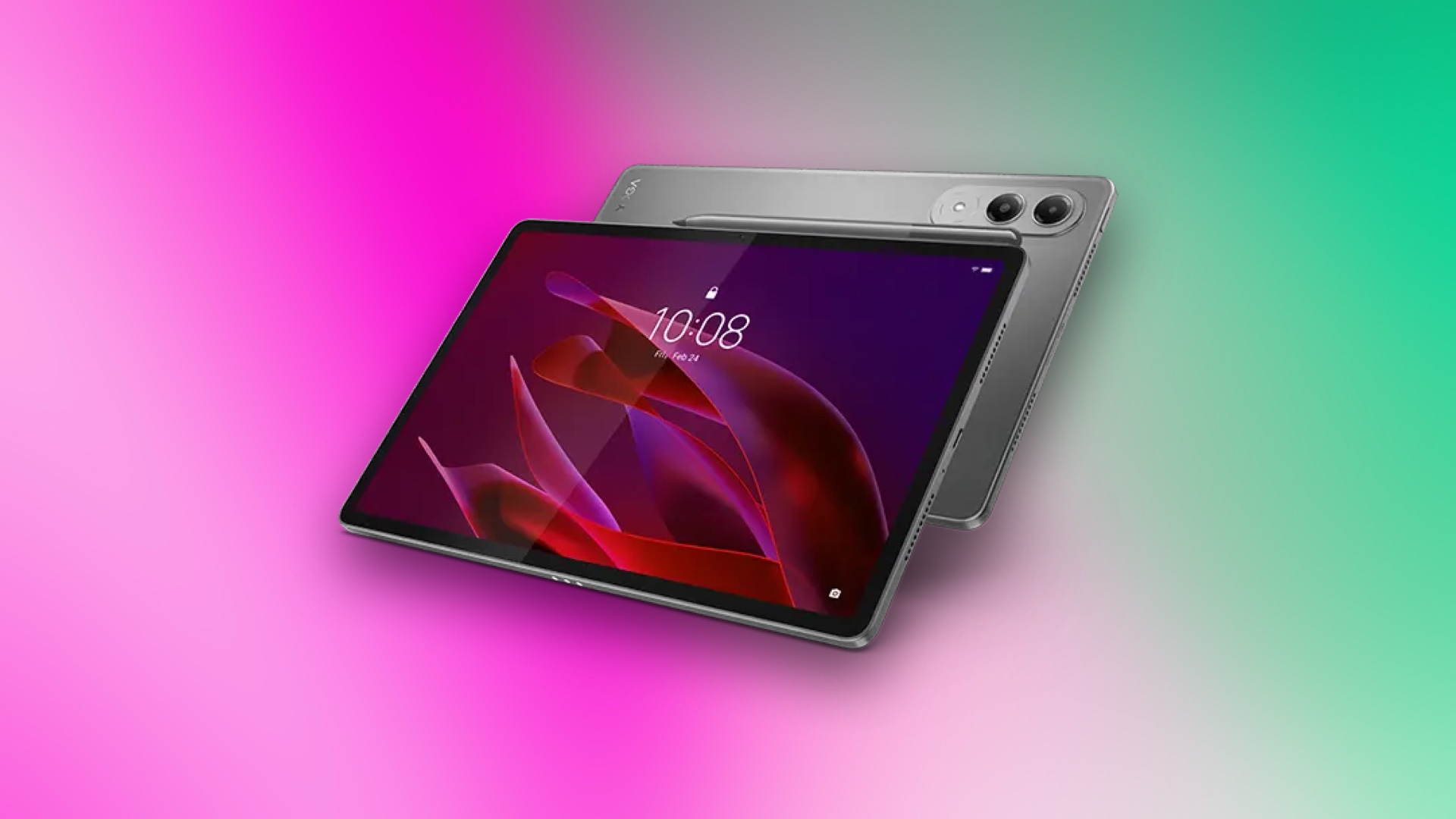

Lenovo has launched the Yoga Slim 7i Ultra Aura Edition Gen 11 starting at $2,050, offering an ultra-lightweight magnesium-aluminum chassis and a vibrant 2.8K OLED touchscreen designed for mobile professionals who prioritize extreme portability over raw processing power.
Matt Elliott/CNET
Lenovo Yoga Slim 7i Ultra Aura Edition Gen 11 Summary
Score: 6.8 / 10
Pros
- Solid battery life and durable construction for an ultra-thin laptop
- Responsive haptic touchpad with uniform clicking across the entire surface
- Sharp, high-resolution 2.8K OLED touchscreen panel
- Convenient physical switch for webcam privacy control
Cons
- Prohibitive price point given its average computing performance
- Protruding side power button leads to accidental shutdowns
- Limited array of physical connectivity ports
The Yoga Slim 7i Ultra Aura Edition stands out as one of the thinnest traditional laptops in Lenovo’s line-up. Instead of maxing out raw processing horsepower, this machine invests heavily in premium aesthetics and a gorgeous 2.8K OLED display. While daily office productivity runs without a hitch, power users, gaming enthusiasts, and video editors will find performance lacking when pitted against rivals like the MSI Prestige 14 Flip AI Plus and Apple’s 13-inch M5 MacBook Air.
Build quality remains top-tier despite the ultra-thin form factor. The magnesium-aluminum alloy body resists twisting and pressure, providing structural rigidity that easily withstands everyday travel stresses. However, widespread component cost increases make this once-versatile ultrabook a tough sell at its current market price.
Hardware Specifications and Pricing
| Price as reviewed | $2,050 |
| Display size/resolution | 14-inch, 2,880×1,800-pixel OLED touchscreen |
| CPU | Intel Core Ultra 7 355 |
| Memory | 32GB LPDDR5X |
| Graphics | Intel Integrated Graphics |
| Storage | 1TB SSD |
| Ports | 3x Thunderbolt 4 USB-C |
| Networking | Wi-Fi 7, Bluetooth 5.4 |
| Operating system | Windows 11 Home (64-bit) |
| Weight | 2.15 pounds (0.98 kg) |
Lenovo restricts configuration options on the Yoga Slim 7i Ultra Aura Edition Gen 11 primarily to storage capacity, keeping the internal processing chip fixed across all models.
The baseline model features an Intel Core Ultra 7 355 processor, integrated Intel graphics, 32GB of LPDDR5X RAM, a 1TB solid-state drive, and the 14-inch 2.8K OLED touchscreen display. This setup sells for $2,050 on Lenovo’s official store.
Upgrading to a 2TB SSD increases the total price by $200, bringing the cost to $2,250. Additional add-ons—including Microsoft software bundles, wireless peripherals, graphic adapters, and protective cases—can easily push the total expense hundreds of dollars higher.
The “Aura Edition” designation confirms the presence of Intel processing hardware inside. Notably, this specific model features a traditional clamshell hinge rather than the 360-degree convertible design common to other Yoga devices.

Performance Benchmarks and Battery Efficiency
Ultra-thin laptops inherently face thermal and physical constraints, limiting internal space for cooling and battery capacity. Hardware compromises are unavoidable in thin-and-light designs.
Within its chip category, the Yoga Slim 7i Ultra squeezes competitive multi-core and single-core power out of its Intel Core Ultra 7 355 CPU. It scored higher than both the Dell XPS 14 and the ThinkPad X1 Carbon Gen 14 in Geekbench 6 and Cinebench 2024 evaluations.
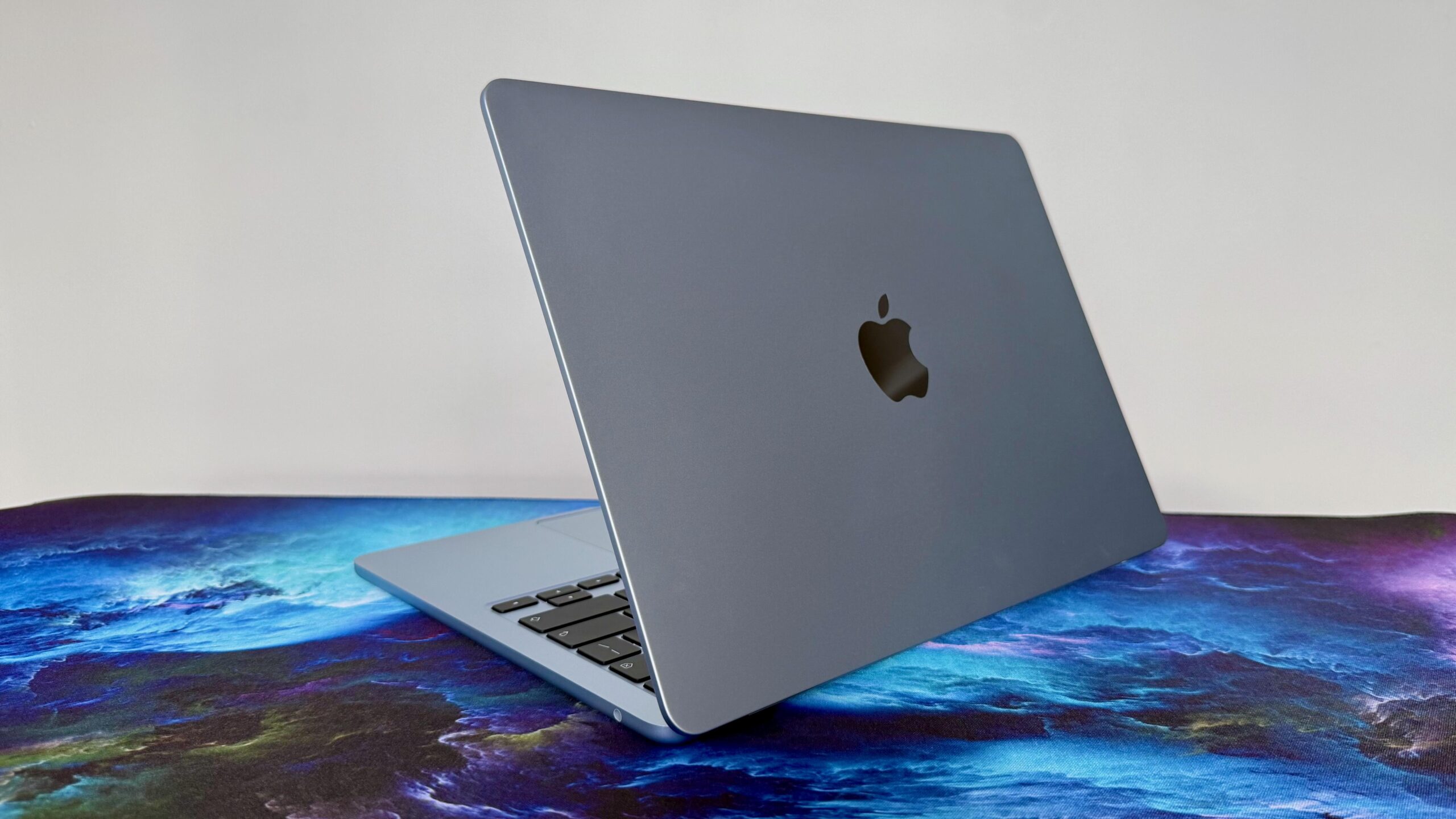
However, competing machines outpace it. The MSI Prestige 14 Flip AI Plus recorded better overall processor scores at a lower retail price. Meanwhile, Apple’s M5 MacBook Air significantly outperformed the Yoga in raw computing tasks despite a starting price nearly $900 cheaper.
Graphics testing via 3DMark Steel Nomad yielded modest scores. Equipped with integrated Intel graphics rather than dedicated GPUs like the Intel Arc B390 found in MSI’s Prestige series, the Yoga Slim 7i Ultra is limited to light tasks and older software titles. Modern AAA games will not run comfortably on this machine.
Battery longevity offers a stronger selling point. The laptop logged almost 18 hours during continuous video playback testing, outlasting the Acer Swift Edge 14 AI and the M5 MacBook Air. While the Dell XPS 14 provides longer endurance at roughly 21 hours, Lenovo’s ultrabook easily delivers enough charge to clear a full workday without a power adapter.

Ergonomics, Display Quality, and Port Selection
At 2.15 pounds (0.98 kg), the Yoga Slim 7i Ultra ranks among the lightest 14-inch laptops available, undercutting lightweight benchmarks like the Asus Zenbook A14. The magnesium-aluminum alloy body prevents panel flexing or lid distortion under stress. The main display hinge holds firm, though it stops short of opening a full 180 degrees.
Design drawbacks stem from component placement and port selection. The power button protrudes along the right outer edge of the frame, making it easy to accidentally press against objects or desk accessories, triggering unintended power-offs. Conversely, the adjacent hardware webcam kill switch works effectively and eliminates software privacy toggles.
Connectivity options are strictly modern: three Thunderbolt 4 USB-C ports (two on the left, one on the right). While dual-side charging capability is convenient, the total omission of USB Type-A, HDMI outputs, and a standard 3.5mm headphone jack requires users to carry external dongles.
Visual performance excels thanks to the bright 2.8K OLED panel, which maintains high visibility even under harsh lighting. Typing feedback on the backlit keyboard is consistent, and the large, centered haptic trackpad registers click inputs reliably across its entire glass surface.

Market Value and Final Verdict
The Lenovo Yoga Slim 7i Ultra Aura Edition Gen 11 delivers superb build execution, excellent portability, and solid battery life for professionals on the go. However, its $2,050 base price presents a significant barrier given its middle-tier performance metrics.
Competitors offer compelling alternatives at lower costs. The MSI Prestige 14 Flip AI Plus delivers superior benchmark results for a $1,800 entry price. Non-Windows users can opt for the 13-inch M5 MacBook Air, which provides higher computing speed starting at $1,300. Users seeking maximum battery endurance can look to the Dell XPS 14. While the Yoga Slim 7i Ultra succeeds as a lightweight daily driver, stronger value exists elsewhere in the premium ultrabook market.
Lab Testing Benchmarks
Standardized lab benchmarking measures processor output, graphic rendering capabilities, and energy consumption under controlled conditions.
Geekbench 6 CPU (multi-core)
- Lenovo Yoga Slim 7x Gen 11: 19,155
- M5 MacBook Air: 16,890
- MSI Prestige 14 Flip AI Plus: 16,607
- HP OmniBook X Flip 14: 12,747
- Lenovo ThinkPad X1 Carbon Gen 14: 11,492
- Lenovo Yoga Slim 7i Ultra Aura Edition Gen 11: 11,452
- Dell XPS 14: 11,207
- Acer Swift Edge 14 AI: 10,977
Geekbench 6 CPU (single-core)
- M5 MacBook Air: 4,148
- Lenovo Yoga Slim 7x Gen 11: 3,075
- MSI Prestige 14 Flip AI Plus: 2,896
- HP OmniBook X Flip 14: 2,823
- Acer Swift Edge 14 AI: 2,781
- Lenovo Yoga Slim 7i Ultra Aura Edition Gen 11: 2,777
- Lenovo ThinkPad X1 Carbon Gen 14: 2,679
- Dell XPS 14: 2,599
Cinebench 2024 CPU (multi-core)
- Lenovo Yoga Slim 7x Gen 11: 1,285
- M5 MacBook Air: 926
- MSI Prestige 14 Flip AI Plus: 692
- Lenovo Yoga Slim 7i Ultra Aura Edition Gen 11: 649
- Lenovo ThinkPad X1 Carbon Gen 14: 647
- HP OmniBook X Flip 14: 636
- Dell XPS 14: 530
- Acer Swift Edge 14 AI: 469
Cinebench 2024 CPU (single-core)
- M5 MacBook Air: 199
- Lenovo Yoga Slim 7x Gen 11: 149
- Lenovo Yoga Slim 7i Ultra Aura Edition Gen 11: 120
- Acer Swift Edge 14 AI: 120
- Lenovo ThinkPad X1 Carbon Gen 14: 119
- Dell XPS 14: 117
- MSI Prestige 14 Flip AI Plus: 115
- HP OmniBook X Flip 14: 114
3DMark Steel Nomad
- MSI Prestige 14 Flip AI Plus: 1,527
- M5 MacBook Air: 1,073
- Lenovo Yoga Slim 7x Gen 11: 994
- Acer Swift Edge 14 AI: 642
- Lenovo Yoga Slim 7i Ultra Aura Edition Gen 11: 619
- Lenovo ThinkPad X1 Carbon Gen 14: 619
- Dell XPS 14: 524
- HP OmniBook X Flip 14: 456
PCMark 10 Pro Edition
- MSI Prestige 14 Flip AI Plus: 8,761
- Lenovo ThinkPad X1 Carbon Gen 14: 7,734
- Lenovo Yoga Slim 7i Ultra Aura Edition Gen 11: 7,683
- Acer Swift Edge 14 AI: 7,660
- Dell XPS 14: 7,467
- HP OmniBook X Flip 14: 7,199
Online Streaming Battery Drain Test (minutes)
- MSI Prestige 14 Flip AI Plus: 1,518 mins (25 hrs 18 mins)
- Lenovo Yoga Slim 7x Gen 11: 1,330 mins (22 hrs 10 mins)
- Dell XPS 14: 1,267 mins (21 hrs 07 mins)
- Lenovo Yoga Slim 7i Ultra Aura Edition Gen 11: 1,060 mins (17 hrs 40 mins)
- M5 MacBook Air: 1,022 mins (17 hrs 02 mins)
- Acer Swift Edge 14 AI: 782 mins (13 hrs 02 mins)
- HP OmniBook X Flip 14: 541 mins (9 hrs 01 mins)