Category: Blog

Your blog category

  • How Freecash Scammed Apple and Google to Hit Top Charts

    How Freecash Scammed Apple and Google to Hit Top Charts

    Apple and Google officially banned the viral rewards app Freecash from their store platforms in April 2026 after investigations revealed the software used deceptive TikTok ads and developer account swapping to harvest sensitive user data while scaling global download charts.

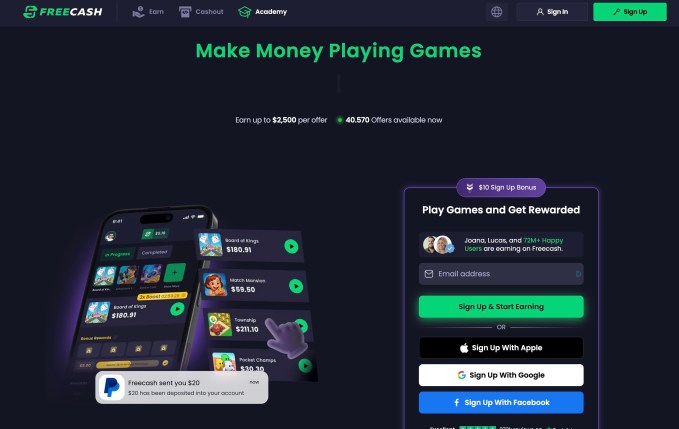
    Marketed heavily across social media, the app claimed to pay users simply for scrolling through TikTok feeds. This aggressive push propelled Freecash directly to the No. 2 overall position on the U.S. App Store.

    Data Harvesting Behind the Viral Earnings Claim

    Behind its earnings promise, Freecash actually compensates users for playing mobile games while collecting extensive personal information, according to a technical evaluation by cybersecurity firm Malwarebytes.

    The Malwarebytes report indicates that Freecash operates as a data broker, gathering sensitive details regarding users’ biometrics, health, sex life, sexual orientation, religion, and race. The app leverages this data to match mobile game developers with players willing to install and spend money on titles such as Monopoly Go and Disney Solitaire.

    Concerns escalated following an investigation by Wired, which exposed misleading promotional tactics and in-game spending nudges. TikTok subsequently removed several Freecash advertisements for breaking its financial misrepresentation policies. In response, Freecash denied direct responsibility, placing blame on third-party affiliate marketers.

    Apple removed Freecash from the App Store on Monday following media inquiries. Google kept the software listed on Google Play briefly before completely removing it from its storefront around 2:00 AM PT on April 15, 2026.
    ScreenshotImage Credits:Freecash website screenshot

    German parent company Almedia GmbH rejected accusations of manipulating traffic or employing deceptive advertising. PR manager James Law stated via email that the app maintains full compliance with marketplace policies and regularly passes platform reviews, declining to detail internal listing strategies.

    @cloveerika

    Decided to make a video bc I’m sure they would have taken my comment down lol. BUYER BEWARE! #foryoupage #xyzbca #pyramidscheme

    ♬ Classic classical gymnopedie solo piano(1034554) – Lyrebirds music

    Massive Download Spikes and Ranking Manipulation

    Data provided by app intelligence platform Appfigures shows Freecash downloads skyrocketed from 876,000 in October 2025 to 5.5 million across global app stores in January 2026.

    That growth trajectory secured Freecash a top 5 spot on the U.S. App Store almost daily beginning January 8. On Google Play, the application climbed to No. 7 overall.
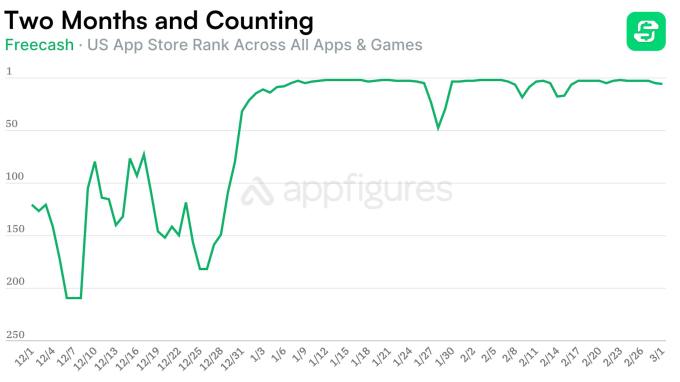
    Image Credits:Appfigures (opens in a new window)

    Appfigures noted that monthly downloads hit nearly 6 million in February before declining toward an estimated 3 million in April.

    Beyond misleading social media ads, Freecash leveraged questionable search optimization tactics, including suspicious Google backlinks, suspected fake store ratings, and automated bot traffic to inflate visibility.
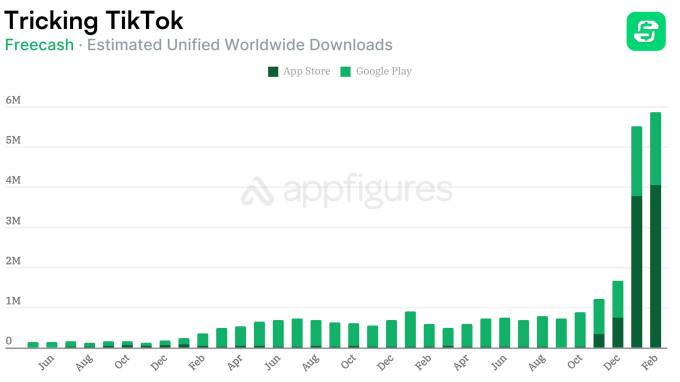
    Image Credits:Appfigures (opens in a new window)

    Bait-and-Switch Account Hopping Evades App Bans

    Analytics indicate Freecash exploited secondary developer accounts to bypass app store enforcement actions.

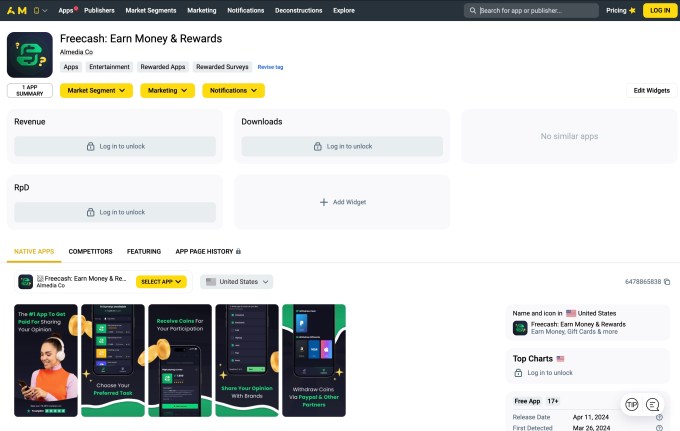
    Market data from Appfigures and Appmagic confirms Almedia GmbH originally submitted Freecash to the iOS App Store on March 24, 2024. Apple removed this initial build around June 12–13, 2024, after it accumulated roughly 69,500 downloads.
    ScreenshotImage Credits:Freecash's original listing, data from AppMagic (opens in a new window)

    Months after the removal, an existing app registered under Cyprus-based entity 256 Rewards Ltd was rebranded as “Freecash” and updated under that account ID.

    The developers behind 256 Rewards Ltd (previously operating as Rewards) have since abandoned their former websites and social channels to launch a new company called Pushed. Founders did not respond to requests for comment regarding the transfer of their developer credentials.

    Using secondary accounts to re-enter app stores after enforcement actions violates platform rules. Comprehensive reports by The Washington Post, Lapcat Software, and 9to5Mac document how scam developers frequently operate multiple developer profiles to preserve access to storefronts.

    Apple Enforcement Action

    Apple explicitly forbids circumvention attempts under its App Store Review Guidelines. Following formal inquiries, Apple removed Freecash citing violations of Guidelines 3.1.2(a) and 2.3.1, which prohibit scamming users, misleading marketing, and bait-and-switch practices.

    Apple’s Developer Program License Agreement further mandates that developers refrain from unlawful, misleading, fraudulent, or deceptive business practices, including unfair competition against other developers.
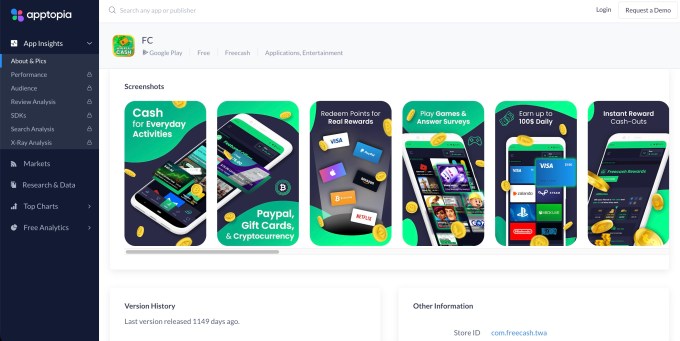
    ScreenshotImage Credits:Freecash's original Android app, data from Apptopia (opens in a new window)

    Google Play Actions and High Review Scores

    A matching pattern occurred on Android. Freecash’s original Google Play build (`com.freecash.twa`) was pulled in January 2024. A second iteration resurfaced under a separate ID (com.freecash.app2), which Google confirmed it purged on April 15, 2026.

    Just prior to the removals, Freecash occupied the No. 7 rank on the U.S. App Store and No. 13 on Google Play as of April 10.
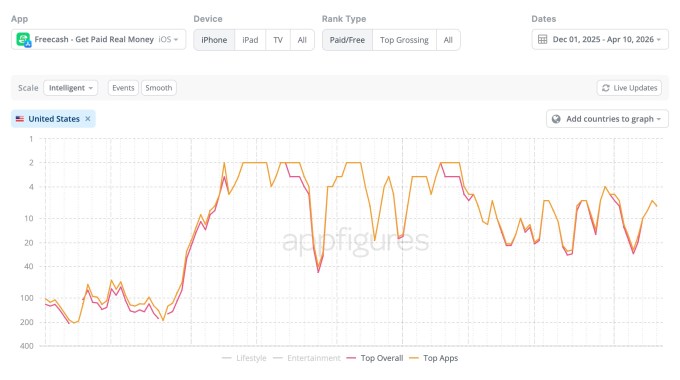
    ScreenshotImage Credits:Freecash's current App Store ranking (US); data via Appfigures (opens in a new window)

    Despite widespread reports of deceptive behavior, Freecash maintained a 4.7-star rating. Manipulated review scores are frequently used by fraudulent applications to evade automated platform flags.

    Apple directs users who suspect fraudulent store activities to submit details through reportaproblem.apple.com.

  • Roblox Unveils Kids Accounts Amid Safety Lawsuits

    Roblox Unveils Kids Accounts Amid Safety Lawsuits

    Gaming giant Roblox announced new age-segregated “Kids” and “Select” account tiers on Monday to restrict game and chat access for younger users, following intense legal pressure over child safety risks on the platform.

    The global rollout, set to begin in early June, relies on mandatory age-verification technology introduced by the platform in January. Users who have not verified their age will be restricted to a curated list of games intended for younger audiences. Roblox plans to offer an initial transition period, allowing current players time to complete the age-check process.

    Understanding the New Age Tiers and Restrictions

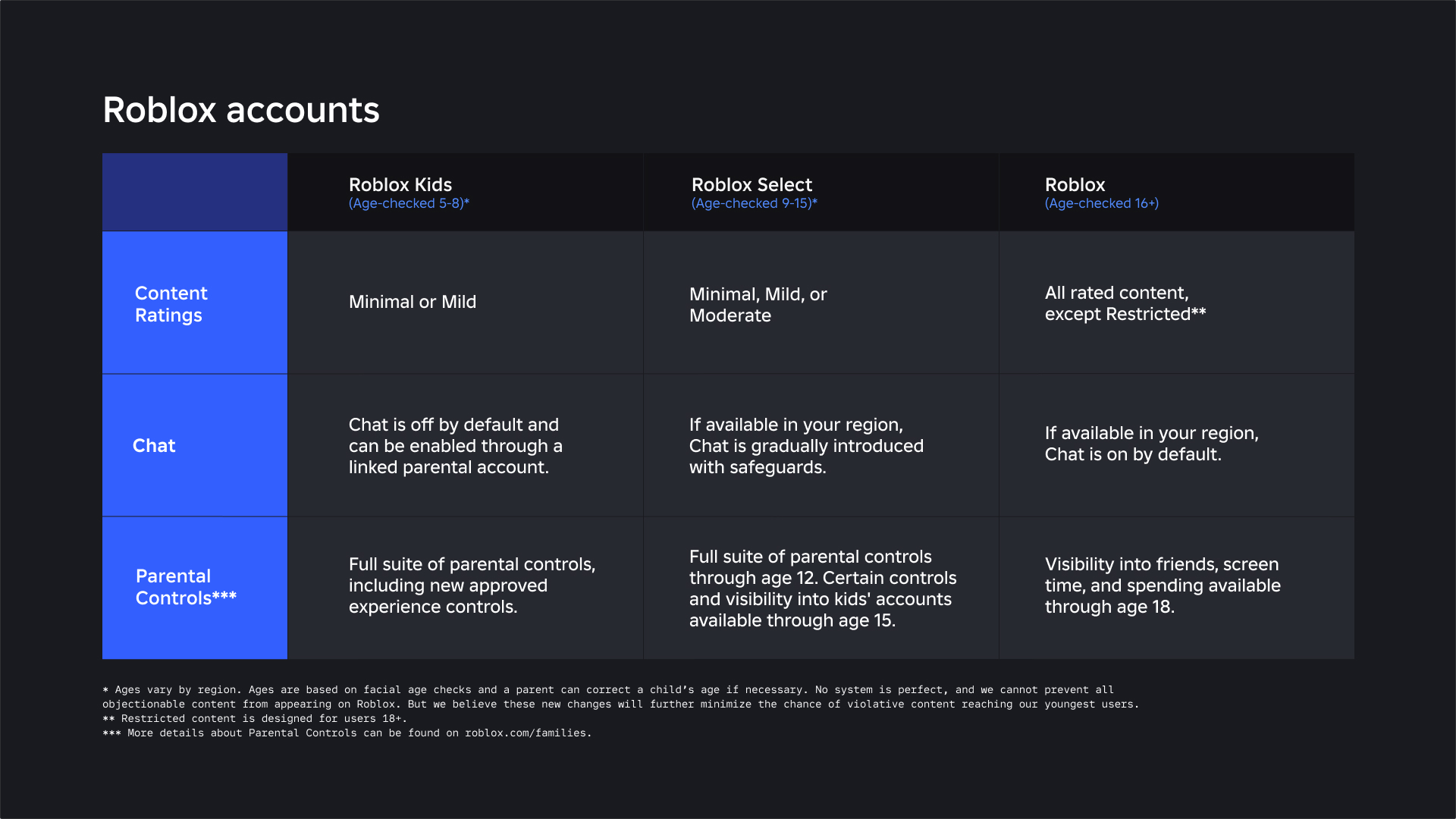
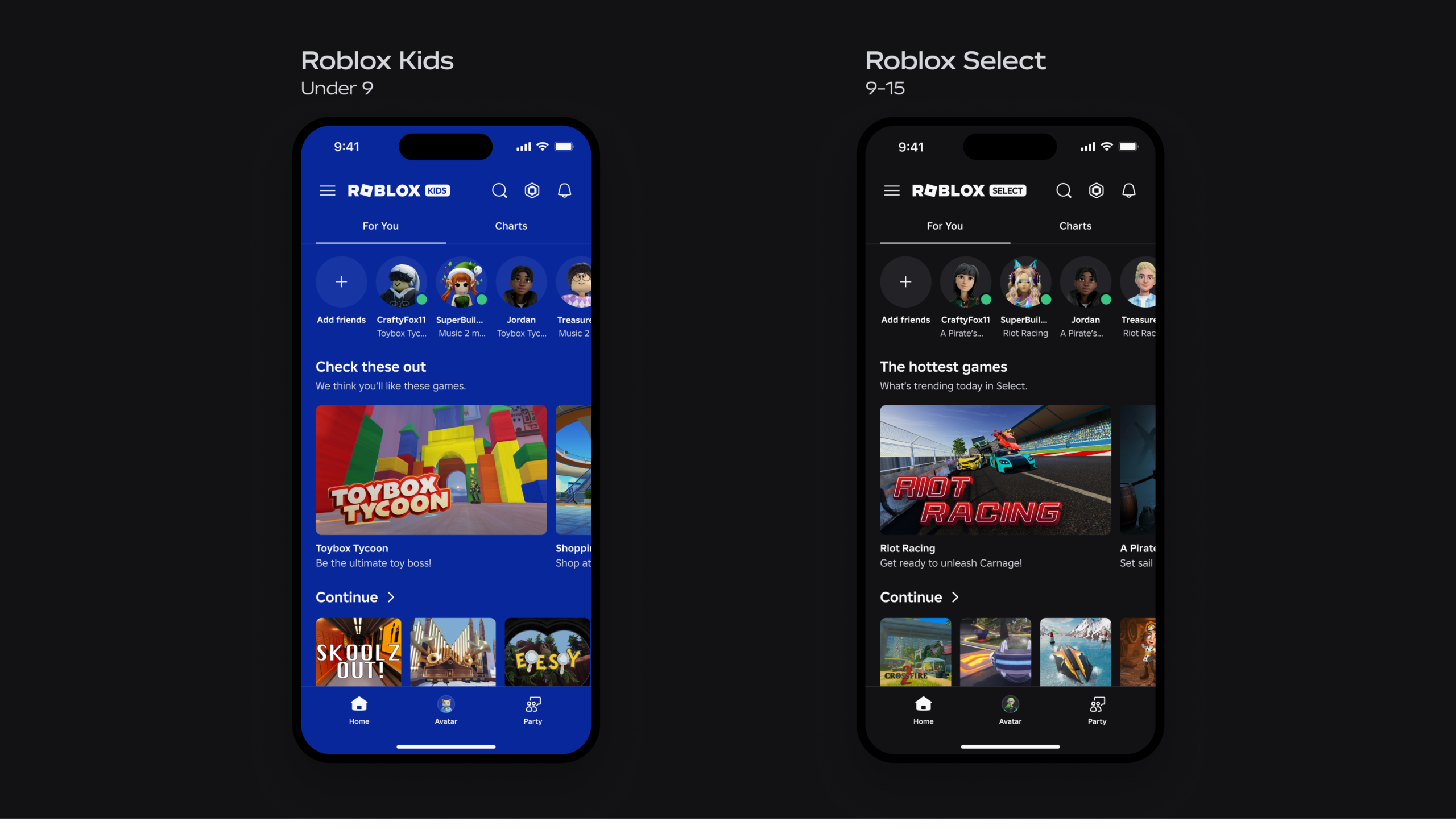
    Under the new structure, children aged five to nine will automatically be placed into “Roblox Kids” accounts, while users aged nine to 15 will receive “Roblox Select” accounts. Players aged 16 and older will hold standard accounts, though only users 18 and older can access “Restricted Content,” which features strong language, explicit romantic themes, and intense violence.

    Image Credits:Roblox

    For players on Roblox Kids accounts, content will be limited to titles with “Minimal” or “Mild” maturity ratings, which cover occasional mild fear, crude humor, or minor violence. Social interaction will be tightly controlled: chat functionality remains disabled by default for kids under nine, unless a parent explicitly approves individual communication contacts.

    Roblox Select accounts permit access to games rated up to “Moderate” and allow users to communicate with peers in a similar age category. To provide flexibility, parents can manually override system defaults to unlock specific games—such as letting a younger child play a restricted title alongside an older sibling.

    Image Credits:Roblox

    Strict Three-Step Vetting for Game Developers

    To qualify for inclusion on Kids or Select accounts, experiences must clear a new three-step screening protocol enforced by Roblox:

    First, developers must meet stringent verification requirements. Creators under 16 must provide government ID verification or maintain a linked parent account, enable two-step verification, and maintain an active subscription to Roblox Plus. Priced at $4.99 per month, Roblox Plus officially replaces the legacy Roblox Premium tier, which stops accepting new sign-ups on April 30.

    Second, experiences undergo real-time testing. Players aged 16 and older access the games first to provide feedback and submit moderation reports. Roblox concurrently deploys its automated multimodal moderation systems to flag potential policy violations before content reaches younger demographics.

    Finally, the games must satisfy technical gameplay parameters and secure an official content maturity label matching the target age bracket.

    Mounting Legal Scrutiny Drives Platform Changes

    These policy overhauls arrive following significant regulatory and legal backlash regarding child protection on the platform. State attorneys general, including those from Texas and Louisiana, recently launched lawsuits against the company.

    The legal action followed public investigations and media reports, as well as critical research from firm Hindenburg Research, which alleged that Roblox exposed underage users to child predators and inappropriate content.

  • Netflix Unveils New ‘Playground’ App for Kids’ Games

    Netflix Unveils New ‘Playground’ App for Kids’ Games

    On Monday, entertainment giant Netflix officially launched Netflix Playground, a standalone mobile app giving subscribers’ children aged eight and under direct access to a growing, ad-free library of interactive games.

    Ad-Free Gaming and Global Availability

    The new app is available at no extra charge to existing subscribers and excludes both advertisements and in-app microtransactions. Netflix Playground has initially launched on iOS and Android across the United States, Canada, the United Kingdom, Australia, the Philippines, and New Zealand, with a full worldwide expansion planned for April 28.

    To accommodate family travel, the software functions entirely offline, eliminating the need for an active cellular or Wi-Fi connection during flights or daily errands.

    Image Credits:Netflix

    Popular Characters and Interactive Learning

    Netflix Playground debuts with titles linked directly to popular children’s franchises. Gamers can access “Playtime With Peppa Pig,” an experience that places young users inside Peppa’s animated world. The library also features a “Sesame Street” title focused on memory matching and motor skills, along with original titles such as “Let’s Color,” “Storybots,” and “Bad Dinosaurs.”

    John Derderian, Netflix Vice President of Animation Series + Kids & Family TV, detailed the company’s objective in an official press release.

    “We’re building a world where kids can not only watch their favorite stories, they can step inside them and interact with their favorite characters,” Derderian stated. “We’re creating a seamless destination for discovery, learning, and play. Whether it’s reuniting with Hank and the ‘Trash Truck’ crew for new adventures or making a smoothie with ‘Peppa Pig,’ watching and playing on Netflix can be the fun and easiest part of every family’s day.”

    Strategic Re-Alignment in Netflix’s Gaming Division

    The dedicated children’s initiative follows a broader recalibration of Netflix’s gaming footprint. After making its initial push into the gaming industry in 2021, the company faced engagement challenges, prompting reductions in development scale and the closure or sale of internal game development units including Boss Fight, Spry Fox, and an unannounced AAA studio.

    Recent strategy shifts have seen Netflix test alternative platforms, including social television party games like adapted versions of Tetris and Pictionary. The platform maintains that it will continue to prioritize cloud gaming development as part of its long-term strategy.

  • TikTok Secretly Launches Hidden Mini-Game in DMs

    TikTok Secretly Launches Hidden Mini-Game in DMs

    TikTok quietly rolled out a secret emoji mini-game within its direct messaging feature globally on Tuesday, aiming to add a playful element of competition to both one-on-one and group chats. The hidden feature allows users to unlock an interactive arcade-style challenge directly inside their active conversation threads.

    How the Secret TikTok DM Game Works

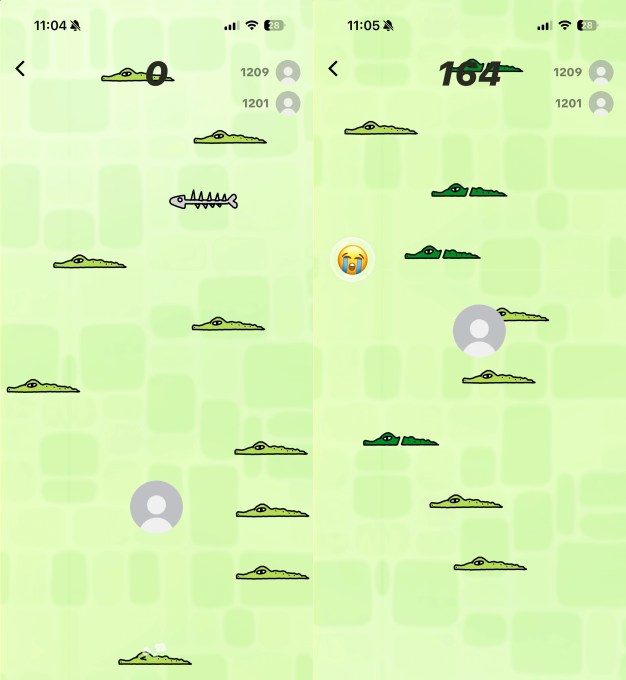
    The objective of the game is straightforward: players use their finger to guide their character as high as possible by bouncing across alligators. Navigating the climbing process requires quick reflexes, as hazardous skeleton alligators cause an immediate game over upon contact. Additionally, cracked alligators crumble after a single jump, forcing players to rapidly leap to the next target above.

    To accelerate progress, players can direct their jump toward floating emojis or land on alligators equipped with propellers, both of which provide a sudden speed boost. Failing to land on an alligator or touching a skeleton ends the round instantly. Designed as a head-to-head challenge, the game displays both the player’s real-time score and their opponent’s high score in the top-right corner of the screen.

    Image Credits:TechCrunch/Screenshot

    How to Access and Unlock the Easter Egg

    Unlocking the hidden game requires sending a single emoji inside any private chat or group message. Once sent, tapping directly on the standalone emoji launches the gameplay screen. The specific emoji transmitted in the message doubles as the speed-boosting item floating across the screen during the game. Entering the game requires sending strictly one emoji at a time, as sending multiple emojis in a single message will not activate the feature.

    Social Platforms Compete with In-Chat Gaming Features

    TikTok noted that the Easter egg was introduced to increase engagement in private messaging and foster casual competition among users. This release aligns TikTok with existing trends across competing platforms. Instagram launched a similar hidden DM game two years ago, which challenges users to maneuver a paddle to bounce an emoji without letting it drop.

    Other major social networks are actively pursuing similar strategies. Meta confirmed in January that it is testing mini-games within Threads messaging, internally prototyping a basketball game that enables users to shoot virtual hoops using swipe controls.

  • Epic Games Slashes 1,000 Jobs as Fortnite Engagement Drops

    Epic Games Slashes 1,000 Jobs as Fortnite Engagement Drops

    Epic Games announced the termination of 1,000 employees on Tuesday, citing a severe slump in Fortnite user engagement that forced expenditures to far exceed company earnings.

    Financial Deficits and $500 Million Cost Reduction Plan

    In an internal memo published on Epic’s blog, CEO Tim Sweeney explained that the decline in player activity began showing its impact earlier this decade, creating an unsustainable financial imbalance.

    “The downturn in Fortnite engagement that started in 2025 means we’re spending significantly more than we’re making, and we have to make major cuts to keep the company funded,” Sweeney stated in the memo. “This layoff, together with over $500 million of identified cost savings in contracting, marketing, and closing some open roles puts us in a more stable place.”

    V-Bucks Price Hikes and Industry-Wide Pressures

    The workforce reduction follows recent monetary adjustments within Epic’s ecosystem. Last week, the developer increased the price of V-Bucks—the primary in-game currency for Fortnite—noting directly that “the cost of running Fortnite has gone up a lot.”

    Market Impact Beyond Artificial Intelligence

    Addressing internal concerns regarding emerging technology, Sweeney clarified that artificial intelligence was not directly responsible for replacing developer roles. However, the company faces indirect headwinds connected to the AI boom, as persistent RAM shortages and high demand for processing chips create ripple effects across the tech industry and negatively impact overall consumer spending power.

    Severance Package Details for Affected Staff

    To assist during the transition, Epic Games is providing departing staff members with four months of base severance pay, alongside scaled increases for employees with longer tenures at the studio. Additionally, the company pledged to cover health insurance benefits for impacted U.S.-based employees for six months post-layoff.

  • Nvidia Unveils DLSS 5: AI Graphics Beyond Gaming

    Nvidia Unveils DLSS 5: AI Graphics Beyond Gaming

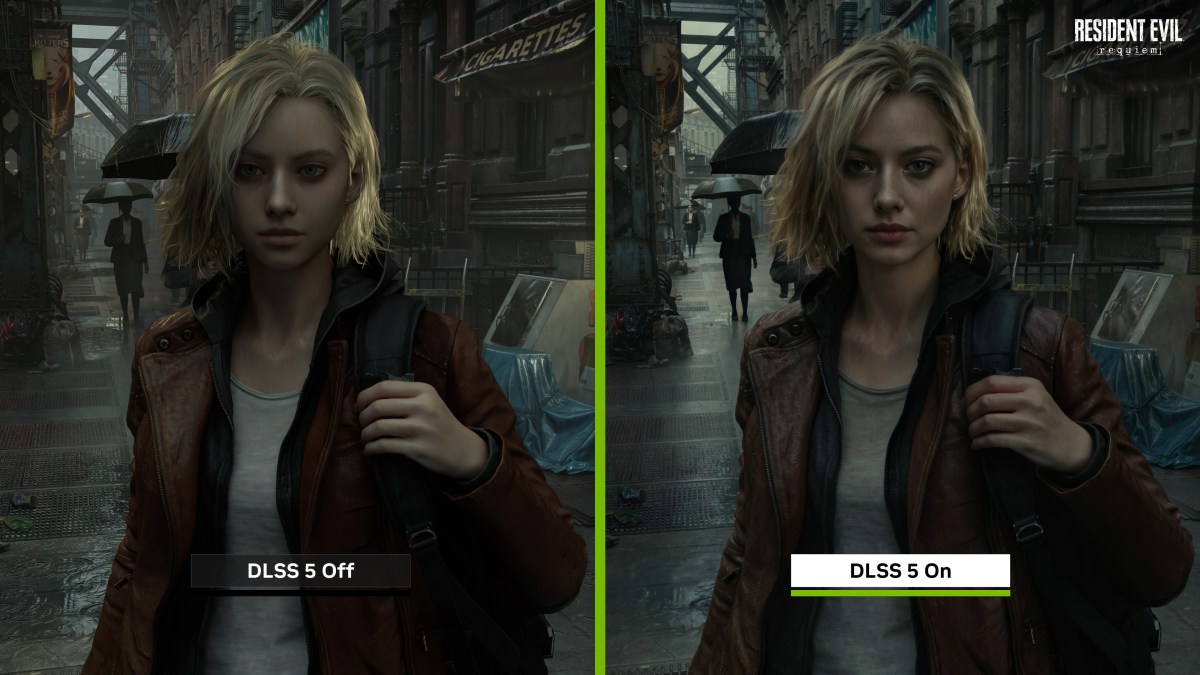
    Nvidia CEO Jensen Huang introduced DLSS 5 during his keynote address at Nvidia GTC on Monday, unveiling a next-generation AI graphics technology that fuses traditional 3D rendering with generative AI to deliver photorealistic visuals while drastically cutting computational demands.

    A Hybrid Approach to Next-Generation Rendering

    The newly announced DLSS 5 framework blends structured 3D graphics data with predictive generative AI models. By anticipating and generating missing visual elements in real time, Nvidia graphics processing units can display intricate environments and lifelike character models without needing to render every individual pixel from scratch.

    “We fused controllable 3D graphics, the ground truth of virtual worlds, the structured data… with generative AI, probabilistic computing,” Huang stated during the event. “One of them is completely predictive, the other one is probabilistic yet highly realistic.”

    Huang emphasized that combining structured datasets with generative capabilities empowers developers to build interactive content that is visually striking, highly realistic, and fully controllable.

    Expanding Beyond the Gaming Ecosystem

    Although gaming represents a smaller fraction of Nvidia’s total revenue today compared to its historic dominance, the sector remains the cornerstone of the company’s technological innovations. Huang presented the underlying architecture of DLSS 5 as a broader paradigm shift in computing, indicating that this dual-database methodology will soon impact enterprise applications well beyond video games.

    “This concept of fusing structured information and generative AI will repeat itself in one industry after another,” Huang noted. “Structured data is the foundation of trustworthy AI.”

    The Evolution of Enterprise AI Data Processing

    To illustrate the broader business implications, the chief executive highlighted enterprise data platforms like Snowflake, Databricks, and Google BigQuery as prime examples of structured environments that next-generation AI models will analyze and transform into actionable insights.

    “In the future, what’s going to happen is these data structures are going to be used by AI, and AI is going to be much, much faster than us,” Huang explained. “Future agents are going to use structured databases as well as the unstructured database, the generative database. This database represents the vast majority of the world.”

  • FBI Probes Trojan Malware Hidden in Steam Video Games

    FBI Probes Trojan Malware Hidden in Steam Video Games

    The FBI launched an investigation on Friday into a cybercriminal who spent the last two years embedding malware inside video games distributed on Valve’s popular Steam platform, posing a direct threat to unsuspecting PC gamers.

    Suspected Games Identified in Cybercrime Investigation

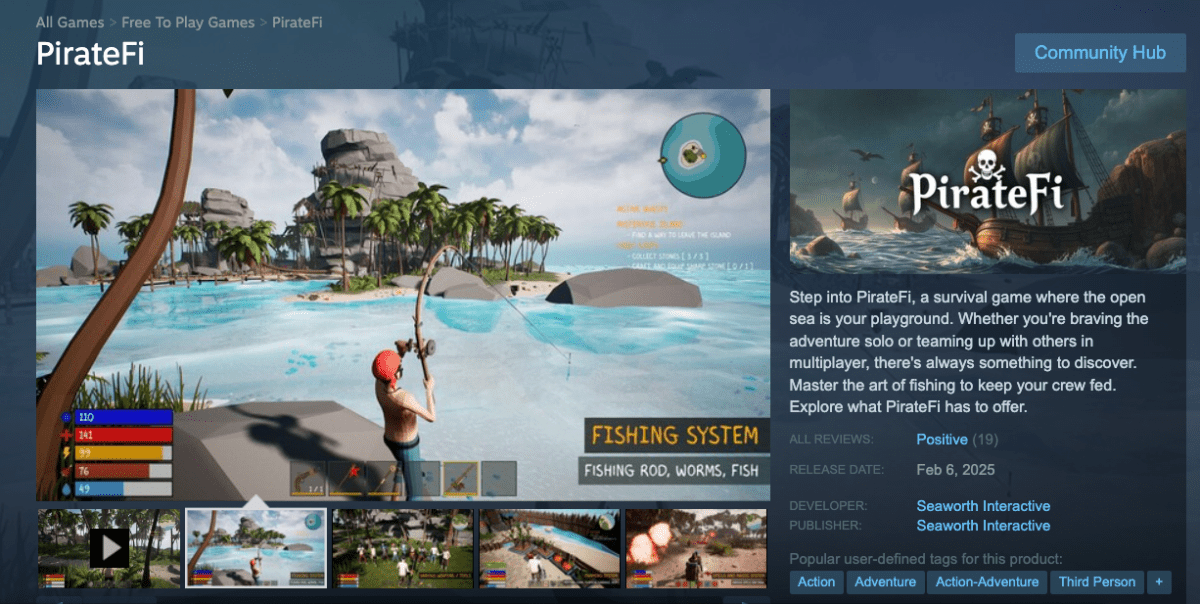
    In its official announcement seeking victims who may have been compromised, federal agents listed several titles suspected of being created by the same developer. The titles hosted on the Steam store and embedded with malicious code include BlockBlasters, Chemia, Dashverse/DashFPS, Lampy, Lunara, PirateFi, and Tokenova.

    A Recurring Security Challenge for Valve’s Marketplace

    This incident is not the first time bad actors have successfully bypassed security filters to deploy malware on Valve’s digital storefront. Just last year, hackers uploaded multiple rudimentary yet functional games designed specifically to operate as Trojan horses. These titles tricked players into installing malicious software directly onto their machines. Although Steam eventually removed the compromised software, an unknown number of users were infected prior to the takedown.

    Neither Valve nor the FBI has responded to requests for comment regarding the status of the investigation.

  • Google Play Challenges Steam with PC Games, Trials, and AI

    Google Play Challenges Steam with PC Games, Trials, and AI

    At GDC 2026 on Wednesday, Google announced a major suite of gaming upgrades for Google Play, introducing playable game trials, cross-platform PC titles, unified pricing models, and AI-driven features to transform the digital storefront into a seamless cross-device ecosystem.

    This aggressive expansion signals Google’s commitment to turning Google Play into a centralized destination where players can test titles risk-free, switch effortlessly between mobile devices and desktop computers, sync game saves, and engage directly with fellow gamers within a single application.

    Expanded Indie Library and Cross-Device Syncing

    Over the coming months, Google Play is growing its premium library with a selection of high-profile paid and indie games, including titles such as Moonlight Peaks, Sledding Game, 9 Kings, Potion Craft, and Low-Budget Repairs. Through Google Play Games, players can access these titles across both mobile and PC platforms, relying on their unified Gamer Profile to automatically synchronize gameplay progress between hardware.

    Image Credits:Google

    Playable Demos and Single-Purchase Cross-Buy

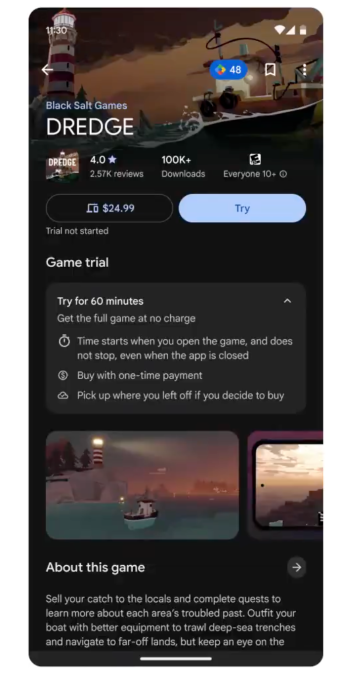
    To reduce purchasing friction, Google is rolling out interactive game trials. Users can test selected mobile games before making a financial commitment, carrying over all accumulated progress if they purchase the full version. These trial experiences will launch first on mobile devices before expanding to Google Play Games on PC.

    Alongside demos, Google is introducing a “Buy once, play anywhere” monetization model. Under this structure, a single purchase unlocks both the mobile and PC builds of supported games. Initial titles supporting this cross-buy feature include Dungeon Clawler, OTTTD, and entries from the popular Reigns series.

    Dedicated PC Gaming Tab and Smart Wishlisting

    For desktop players, the Play Store is introducing a specialized PC segment inside the main Games tab. This dedicated portal surfaces software optimized specifically for Windows PCs. Players can also curate personal wishlists and activate automated notifications to track price cuts and prospective discounts.

    Image Credits:Google

    Social Community Features and Gemini AI Integration

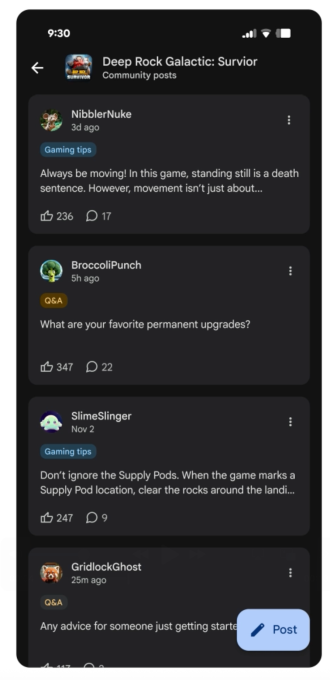
    To boost user retention and build native engagement, Google Play is rolling out native community posts, enabling players to ask questions and discuss gaming topics directly on product pages. This initiative aims to capture discussions that typically occur on third-party message boards like Reddit. The feature is initially launching in English for select popular titles, with broader language support planned for future updates.

    Google is also expanding access to Play Games Sidekick, an AI-driven assistance overlay powered by Gemini Live. First showcased last year, the real-time AI helper provides context-aware guidance and tips directly inside select paid games.

    Iterating on Google Play’s Ecosystem Strategy

    These announcements follow a broader structural overhaul introduced six months ago, when Google launched a redesigned Play Games experience featuring consolidated stat tracking, reward centers, achievement logs, and competitive Play Games Leagues where players fight for Play Points rewards.

    That update coincided with a refreshed Apps interface, an interest-focused discovery tab, and Gemini-powered “Guided Search”—a natural language search tool allowing users to locate apps based on intent or functional goals rather than exact software titles.

  • Why Pokémon Pokopia Is Nintendo’s Boldest Hit Yet

    Why Pokémon Pokopia Is Nintendo’s Boldest Hit Yet

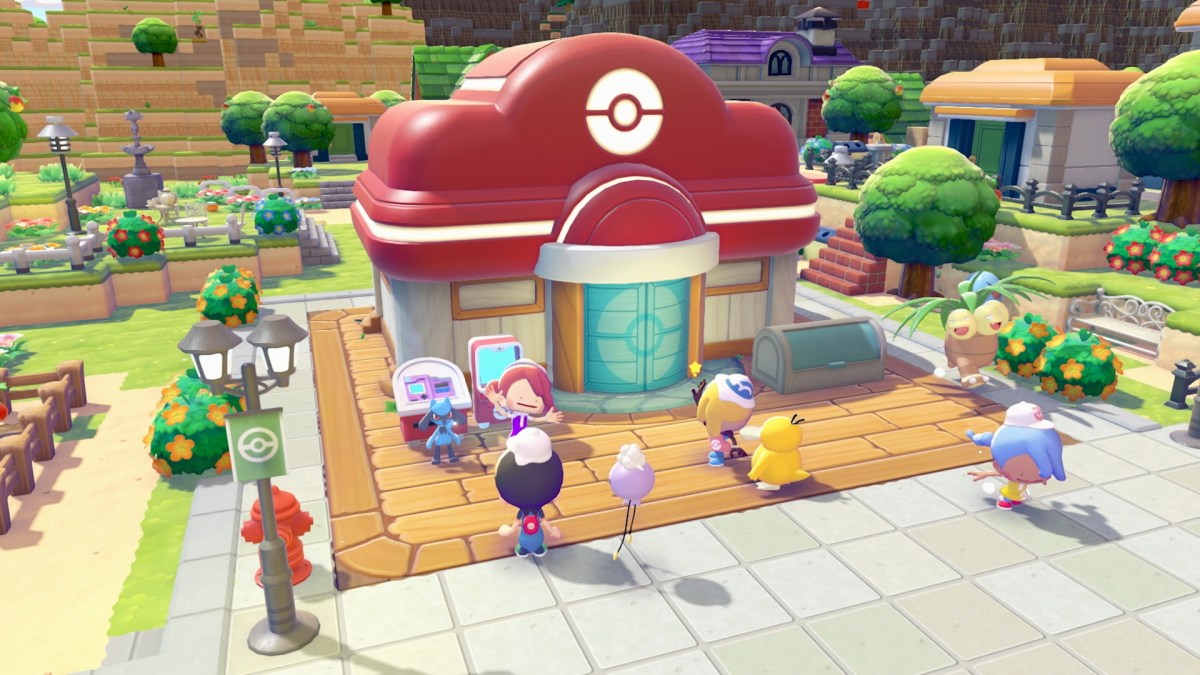
    Nintendo’s newly released cozy life-simulator, Pokémon Pokopia, is taking the gaming world by storm on the Switch 2, captivating players with its addictive blend of habitat restoration and unexpectedly deep ecological themes. Set in a post-apocalyptic version of the classic Kanto region, the game challenges players to rebuild a ruined world from the ground up, delivering an experience unlike anything previously seen in the 30-year history of the franchise.

    An Addictive Blend of Cozy Crafting and Narrative Charm

    The core gameplay loop centers on constructing tailored habitats to improve the comfort levels of various Pokémon companions. The experience is packed with whimsical yet engaging quests: consulting Professor Tangrowth on the definition of a “party,” throwing a rain-inducing celebration to soften cave walls and free an embedded Onix, or awakening Kyogre. When the resulting rain puts out Charmander’s tail flame, players must collaborate with allies like Timburr and Hitmonchan to construct immediate shelter.

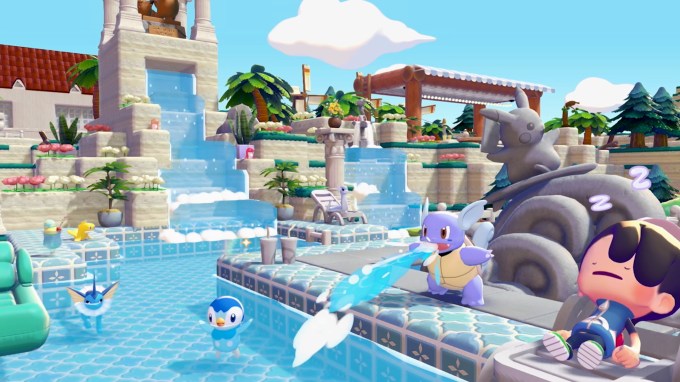
    This level of detailed environmental management makes the title exceptionally easy to get lost in. Players report becoming completely absorbed in granular tasks—such as restoring a seaside sanctuary for Magikarp—often losing track of time entirely during late-night gaming sessions while companions fall asleep beside them.

    Combining mechanics reminiscent of Animal Crossing, Stardew Valley, and Minecraft, the title successfully maintains a surprisingly cozy atmosphere despite its bleak post-apocalyptic setting.

    View this post on Instagram

    Market Demands and Hardware Driving Switch 2 Upgrades

    The demand for the title has rapidly outpaced initial supply expectations. Severe stock constraints prompted retailers like Amazon to raise physical copy prices to $80 from the standard $70 digital listing. Crucially, it stands out as the first major Switch 2 exclusive game generating sufficient mainstream buzz to convince players to upgrade to Nintendo’s next-generation console.

    This widespread enthusiasm marks a stark departure from recent mainline releases. Titles such as Pokémon Scarlet and Pokémon Violet faced criticism for technical glitches and uninspired open-world designs that struggled to hold long-term player attention after the main story concluded. In contrast, this new release offers an expansive design across four distinct regions, plus a sandbox version of Pallet Town for group play, boasting tens of hours of main story gameplay with potential for future DLC expansions.

    A Darker Kanto: Environmental Ruin Meets Satirical Lore

    Unlike traditional cozy titles that serve as pure escapism, the narrative foundation here is visibly anchored in real-world anxieties. Players take on the role of a Ditto that has shape-shifted into the form of its missing trainer. Human civilization has vanished entirely, leaving creatures like Professor Tangrowth alone for years in ruined landscapes.

    Through scattered diary entries, old newspaper clippings, and abandoned letters, players slowly piece together the environmental collapse that caused humanity’s disappearance. The landscape reflects this tragedy: Pikachu appears as “Peakychu,” a drained, pale version of itself that has lost the ability to generate electricity, while Snorlax lies dormant inside a cave, completely overgrown with moss.

    Image Credits:Pokémon Pokopia

    A Sharp Commentary on Modern Infrastructure Crises

    The lore embedded within the world mirrors modern infrastructure and technological concerns with remarkable precision. One collectible note from an abandoned Poké Mart details the collapse of global music streaming platforms due to skyrocketing server costs, forcing society to return to physical CDs.

    This fictional collapse directly echoes real-world challenges, such as the rapid expansion of resource-intensive infrastructure where nearly 3,000 energy-hungry data centers are currently under construction in the U.S. alongside 4,000 existing facilities. The resulting hardware demands have even pushed computer memory prices up significantly on modern hardware.

    By blending real-world commentary on climate and technology with rewarding mechanics—such as working alongside Pokémon to restore electricity to the overgrown ruins of Vermilion City—the title delivers a unique sense of accomplishment. Rebuilding its broken world provides players with a deeply satisfying sense of purpose.

  • Palmer Luckey’s ModRetro Targets $1B Valuation

    Palmer Luckey’s ModRetro Targets $1B Valuation

    ModRetro, the vintage hardware startup founded by Oculus creator Palmer Luckey, is currently in talks to secure fresh funding at a $1 billion valuation, according to the Financial Times.

    The Chromatic: Reimagining Classic Handheld Gaming

    The company debuted its flagship hardware—a Game Boy-inspired handheld named the Chromatic—in 2024. In a review for the device, The Verge’s Sean Hollister noted that the console “might be the best version of the Game Boy ever made.” However, Hollister highlighted the difficulty of separating the gaming hardware from Luckey’s prominent role as the founder of defense technology contractor Anduril Industries, posing the question: “If Lockheed Martin made a Game Boy, would you buy one?”

    Seventeen Years in the Making

    Building a modern tribute to legacy hardware has long been a personal endeavor for the entrepreneur. Luckey revealed last year that he had spent nearly seventeen years working on a Game Boy-inspired system as a personal side project. He described the Chromatic as the outcome of “hundreds of irrational decisions” aimed at delivering “an uncompromisingly authentic celebration of everything that made the console special.”

    Upcoming Hardware and Broader Venture Successes

    ModRetro’s ambitions extend well beyond handheld systems. Reporting indicates that the startup is actively developing additional nostalgic gaming hardware, including a console designed to replicate the Nintendo 64 experience.

    The gaming venture’s billion-dollar push coincides with massive growth across Luckey’s other business pursuits. The Trump administration has increasingly embraced Luckey’s vision for autonomous weapons technology, driving his defense startup, Anduril Industries, into funding discussions that could value that company at $60 billion.