
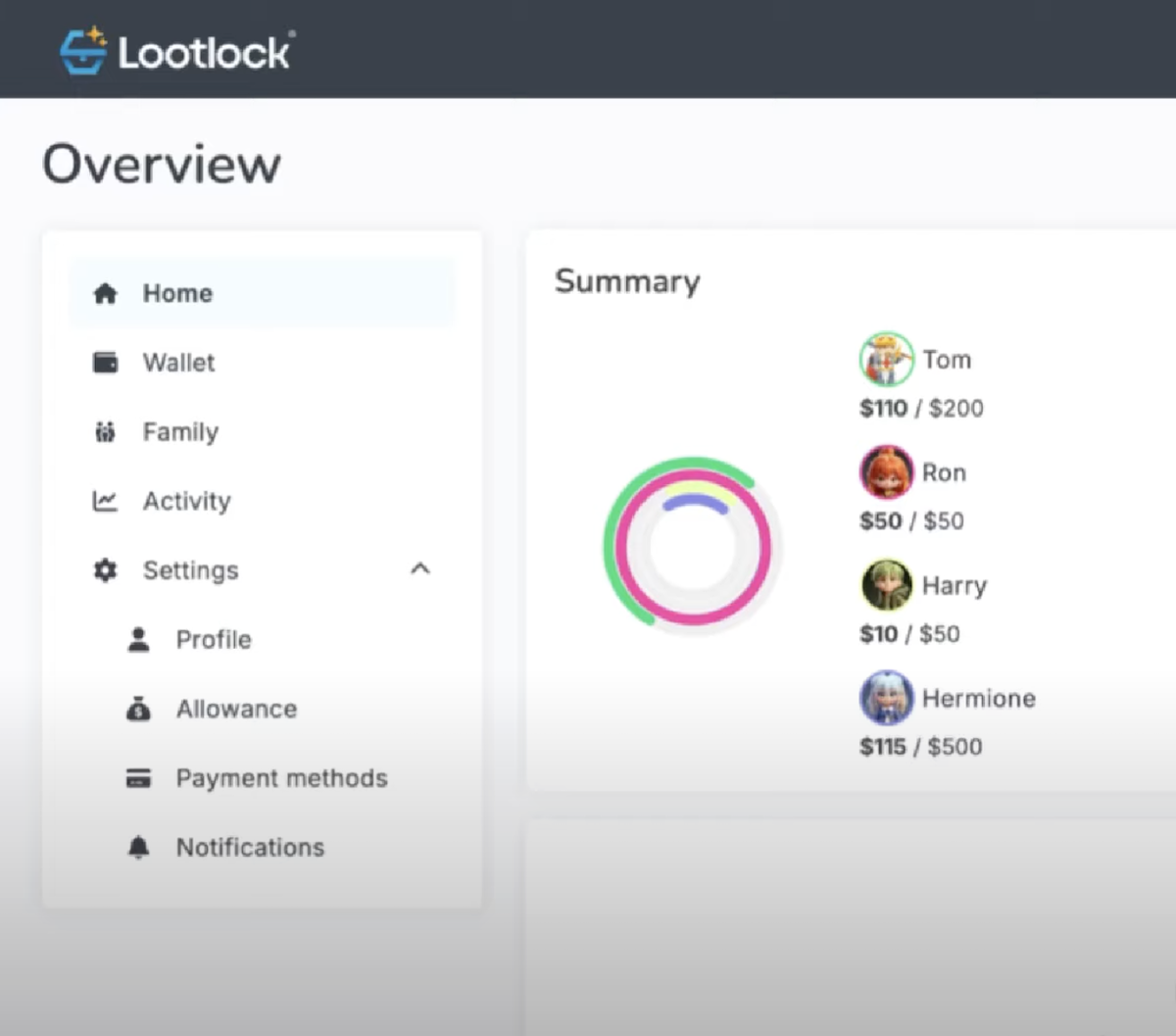
Bootstrapped startup Lootlock has launched a prepaid card system designed to prevent children from running up surprise credit card bills that often reach thousands of dollars on micro-transactions and video games.
Deceptive Game Mechanics Target Young Players
The video game industry relies heavily on monetization strategies that lure younger audiences into unlocking fee-based features. The Consumer Financial Protection Bureau (CFPB) issued an official advisory warning highlighting how games target children, while the Federal Trade Commission (FTC) has published similar consumer alerts regarding unauthorized purchases.
“The gaming industry uses clever design, social engineering, and player tracking to encourage kids to spend more money while playing,” said Lootlock founder Pompa. As an active gamer, Pompa has observed a drastic shift toward aggressive micro-transactions over the past decade.
Regulatory actions offer little relief for most households. While the FTC forced Fortnite to pay $126 million in refunds to affected consumers, such outcomes remain rare, leaving parents with few options to recover lost funds.
Replacing Inflexible Parental Controls
Standard device-level parental controls usually block in-app purchases entirely. However, many parents prefer allowing controlled spending without risking entire credit lines.
Pompa developed Lootlock after observing a friend named Joe, a father of three young gamers. Joe handed his children cash allowance, only for them to give it back to cover gaming purchases made on his credit card—a tedious loop requiring constant monitoring.
How Lootlock Manages In-Game Spending
Lootlock solves this by issuing a digital prepaid card through its financial partner, Transcard. Children add the card to their device’s digital wallet, giving parents direct management over available balances.
Parents can schedule recurring allowance deposits—weekly or monthly—and lock specific portions until kids complete designated tasks. Any requested limit increases can be approved instantly by parents via text message.
“We’re giving the parents super granular controls on how their kids can spend and when their kids can spend,” Pompa stated.
Gamifying Chores and Financial Education
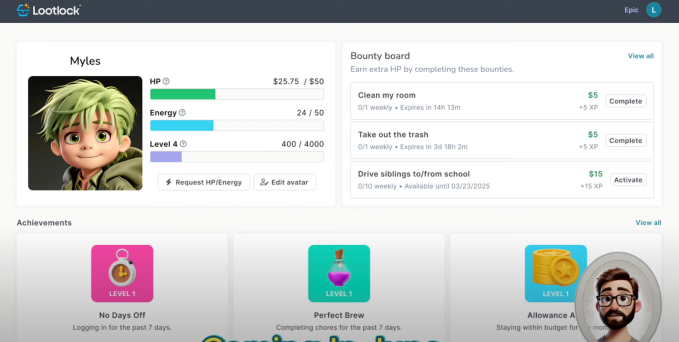
Lootlock plans to introduce a feature called “bounty boards” in October. Parents set up interactive chore lists—such as cleaning rooms or caring for pets—and children earn bounties upon completion, unlocking additional funds when specific thresholds are met.
The platform also incorporates financial literacy mechanics. Kids select a digital avatar and earn points by maintaining responsible financial habits, including checking account balances on their Lootlock dashboard. Points unlock virtual equipment like swords and armor for their avatar, which remains active across Lootlock-integrated spaces like Discord servers.
“We’re tying all of the financial concepts into a video game concept,” Pompa explained.
Card balances are restricted exclusively to gaming transactions and cannot be used for general online shopping, eliminating the need for parents to monitor broader web purchases. Currently managed by a seven-person bootstrapped team, Lootlock focuses on teaching children sustainable financial habits within gaming ecosystems.









Leave a Reply