
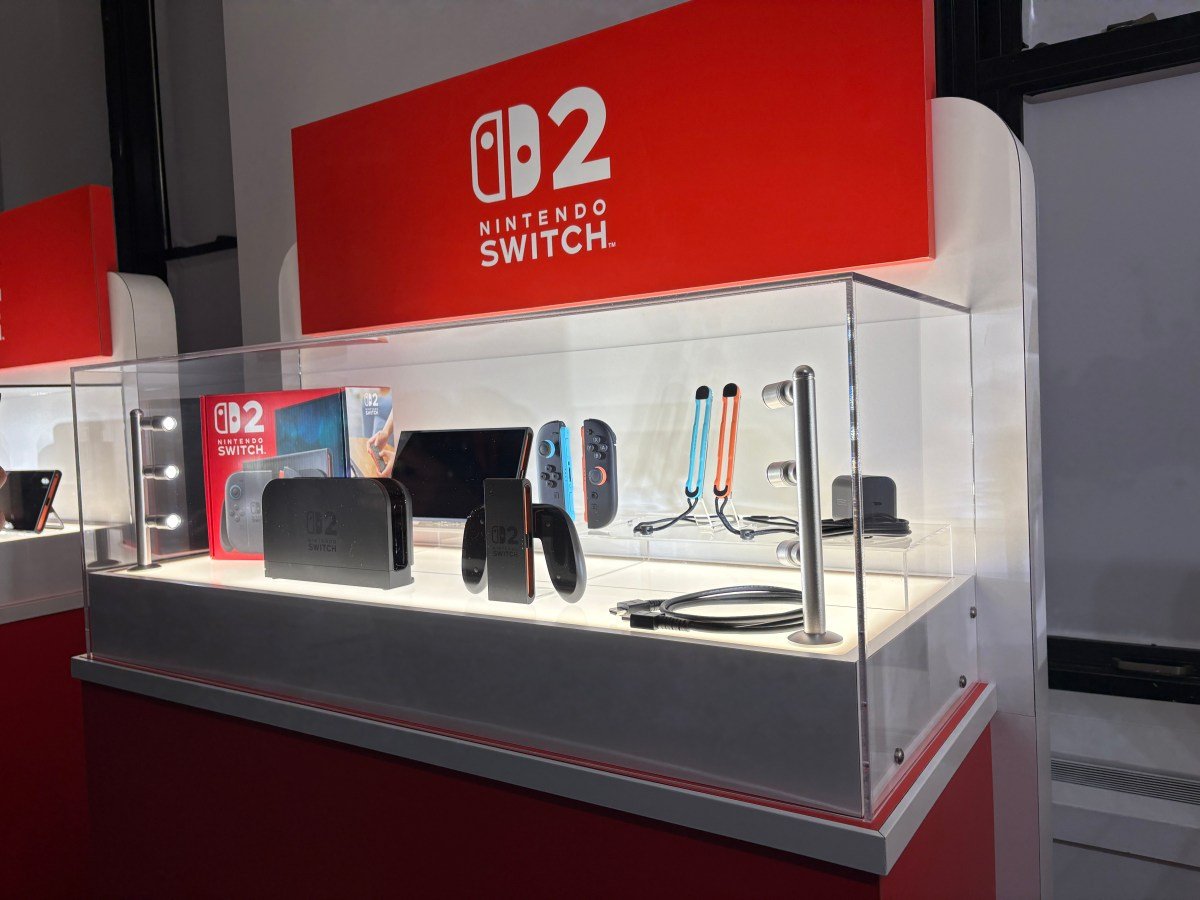
Nintendo confirmed Friday that U.S. preorders for the Switch 2 will officially open on April 24 at its original $449.99 price point ahead of a June 5 launch, defying fears that new U.S. import tariffs would trigger immediate console price hikes.
Following a temporary delay caused by the Trump administration’s aggressive trade policies on international goods, the company reassured consumers that the base console will hit market shelves on schedule without additional core hardware costs.
Higher Costs for Switch 2 Accessories
While the main console avoids a price surge, official Switch 2 peripherals will not be as lucky. Nintendo cited shifting market conditions as the driver behind imminent price adjustments across its hardware ecosystem, warning that further products could see cost increases in the future.
Most peripheral items face an immediate $5 increase over their initially announced pricing structure:
- Nintendo Switch 2 Pro Controller: Rising to $84.99 (up from $79.99).
- Joy-Con Controllers: Rising to $94.99 (up from $89.99).
- Switch 2 Camera Attachment: Rising to $54.99 (up from $49.99).
Software Pricing Remains Intact
Despite peripheral adjustments, software costs remain stable for early adopters. Nintendo confirmed that physical and digital editions of its major launch lineup will hold their original MSRPs, including high-profile titles like Mario Kart World ($79.99) and Donkey Kong Bananza ($69.99).
Addressing the timeline adjustments, Nintendo expressed regret over the initial disruption, stating: “We apologize for the retail pre-order delay, and hope this reduces some of the uncertainty our customers may be experiencing.” Gamers seeking to secure their hardware can access official Switch 2 preorders directly through authorized retailers starting April 24.
Industry-Wide Pressures Under New Tariff Rules
The price adjustments reflect broader structural challenges across the interactive entertainment industry. Under current U.S. trade regulations, consumer electronics such as laptops and smartphones enjoy explicit tariff exemptions, but video game hardware manufacturers receive no such carve-outs.
Nintendo is not alone in navigating these global macroeconomic pressures. Sony recently implemented hikes on PlayStation 5 prices across Europe, Australia, and New Zealand, with industry analysts anticipating comparable price adjustments in the U.S. market as import costs compound.



Leave a Reply